
Exhibitions
"Other lands. Graciela Iturbide | Manuel Álvarez Bravo." February–May 2026.
Graciela Iturbide possesses the very special gift of blending into the environment she portrays. Her work is the result of observation and of the dialogue she has established with the world, as well as her complicity with photography.
Don Manuel was her great mentor: “Graciela, there’s no need to rush, there is time.”
Iturbide met Álvarez Bravo at the UNAM’s University Center of Cinematic Studies in 1969, where she began her photographic practice after enrolling in the courses taught there by Don Manuel.
This encounter led her to exchange cinema for photography and to collaborate with “el Maestro” for a year; it also marked the beginning of a friendship that would last until Don Manuel’s passing.
Everything begins in Mexico, everything begins with Álvarez Bravo…
Her first photographic assignment came in 1974, when she traveled to Panama to photograph General Omar Torrijos. At the same time, she began a long series of journeys to Indigenous communities in Mexico, leading her to produce renowned photo essays in the Sonoran Desert, in Puebla, in Oaxaca…
Between 1980’s, 1990’s and onward, she traveled to other continents in search of the symbolic and the everyday: Latin America, Asia, Africa, Europe. She has defined her work as “photographing as an excuse for knowing.” For her, traveling is not merely physical movement, but a process of cultural and spiritual immersion.
“Other lands” brings together two pillars of Mexican photography in the Coyoacán house where their countless conversations about photography, art, travel, and life itself once resonated.
Here, forgotten or previously unseen works by Don Manuel—still promoted by Casa MAB—enter into dialogue with Graciela’s fresh perspective. These images evoke conversations of the past, open windows onto other worlds, where wonder, curiosity, discovery, and the sensitivity of both artists converge.
Casa MAB joins the recent celebrations of Graciela’s work, which has become part of the pulse of universal culture. Alongside Don Manuel, her gaze—from a real Mexico, free of exoticism or labels—has transcended into other horizons and integrated them into her vision of the world.
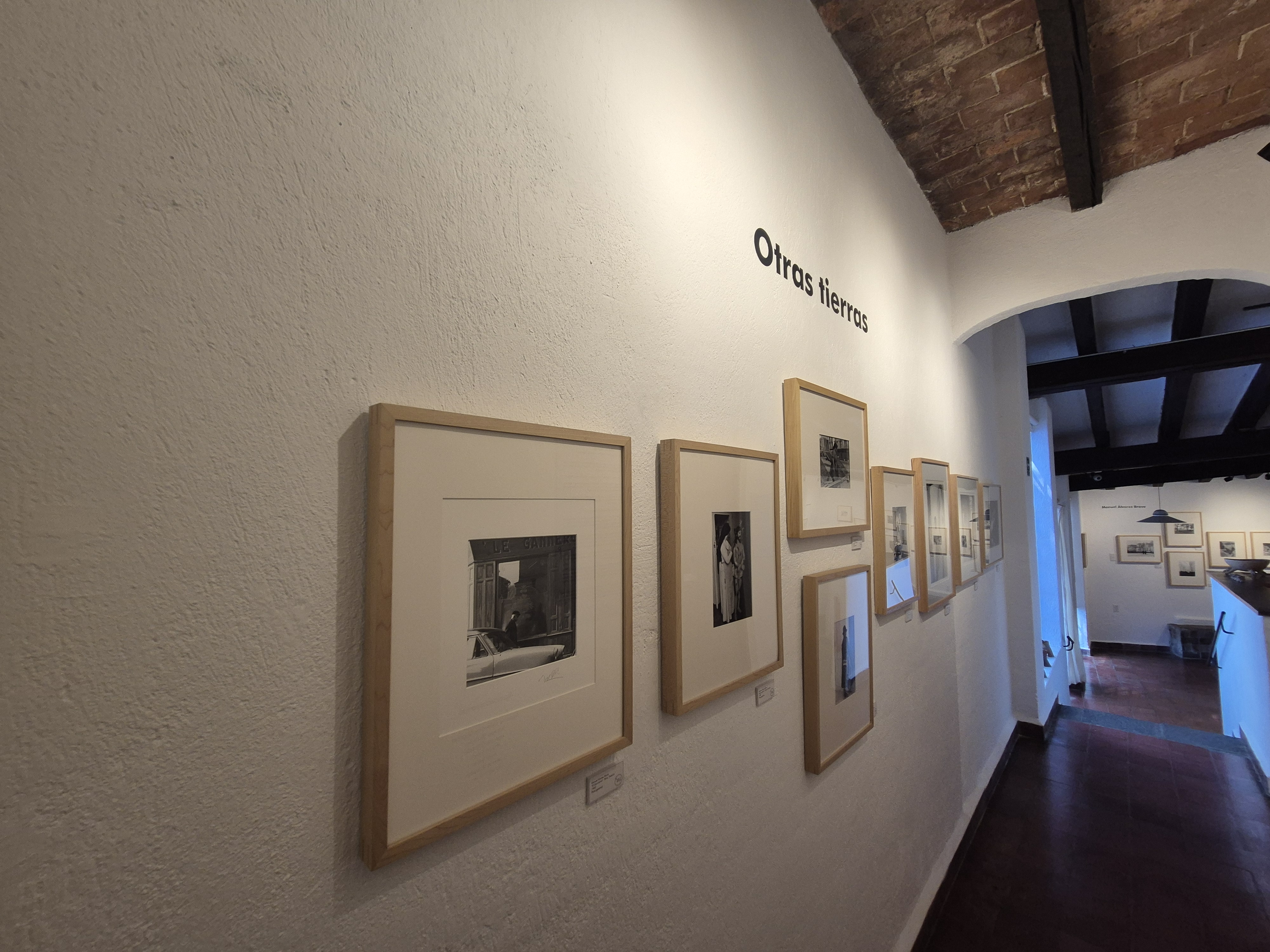
Gallery view of the exhibition “Oter lands. Graciela Iturbide | Manuel Álvarez Bravo”
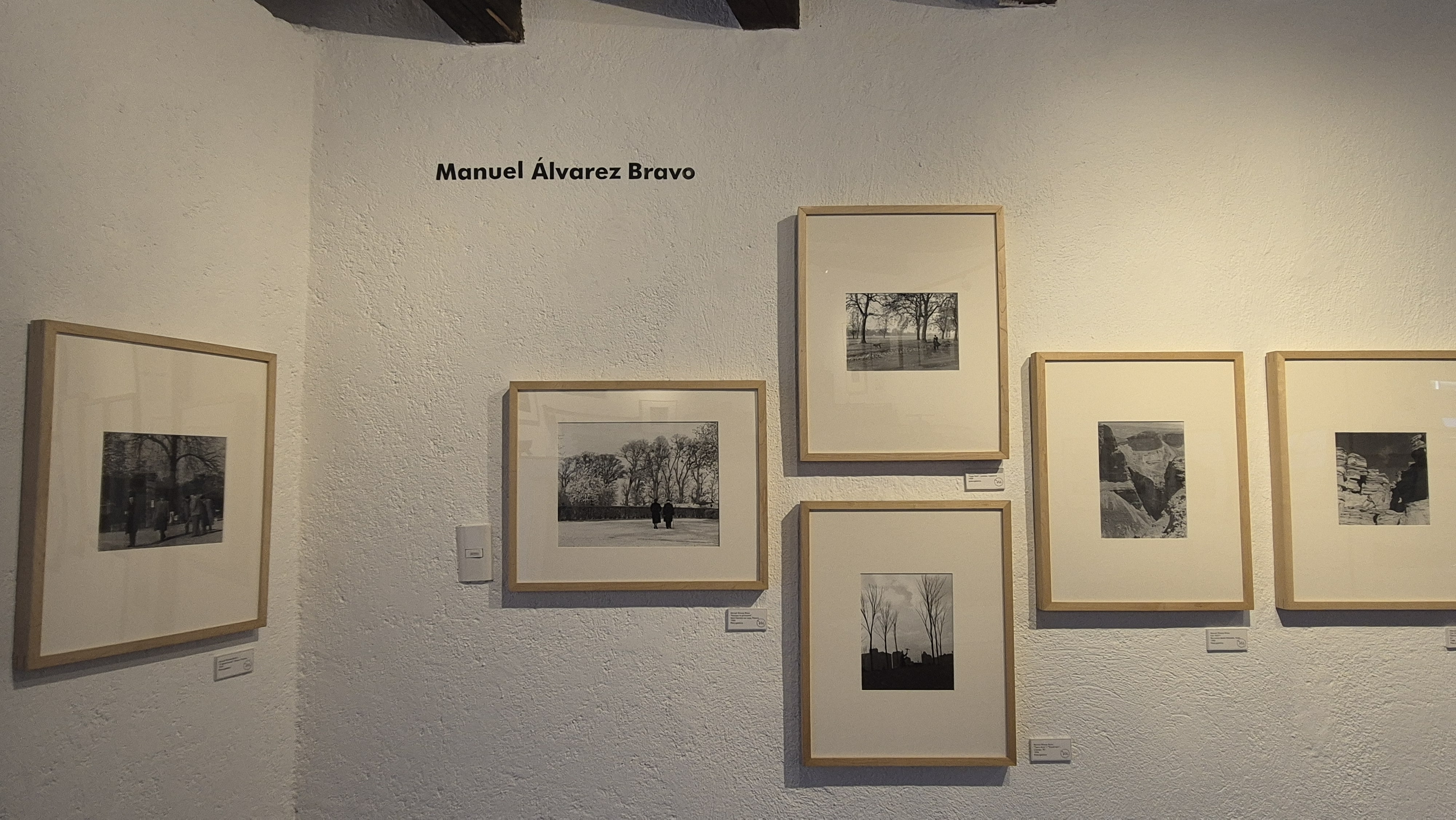
Gallery view of the exhibition “Oter lands. Graciela Iturbide | Manuel Álvarez Bravo”
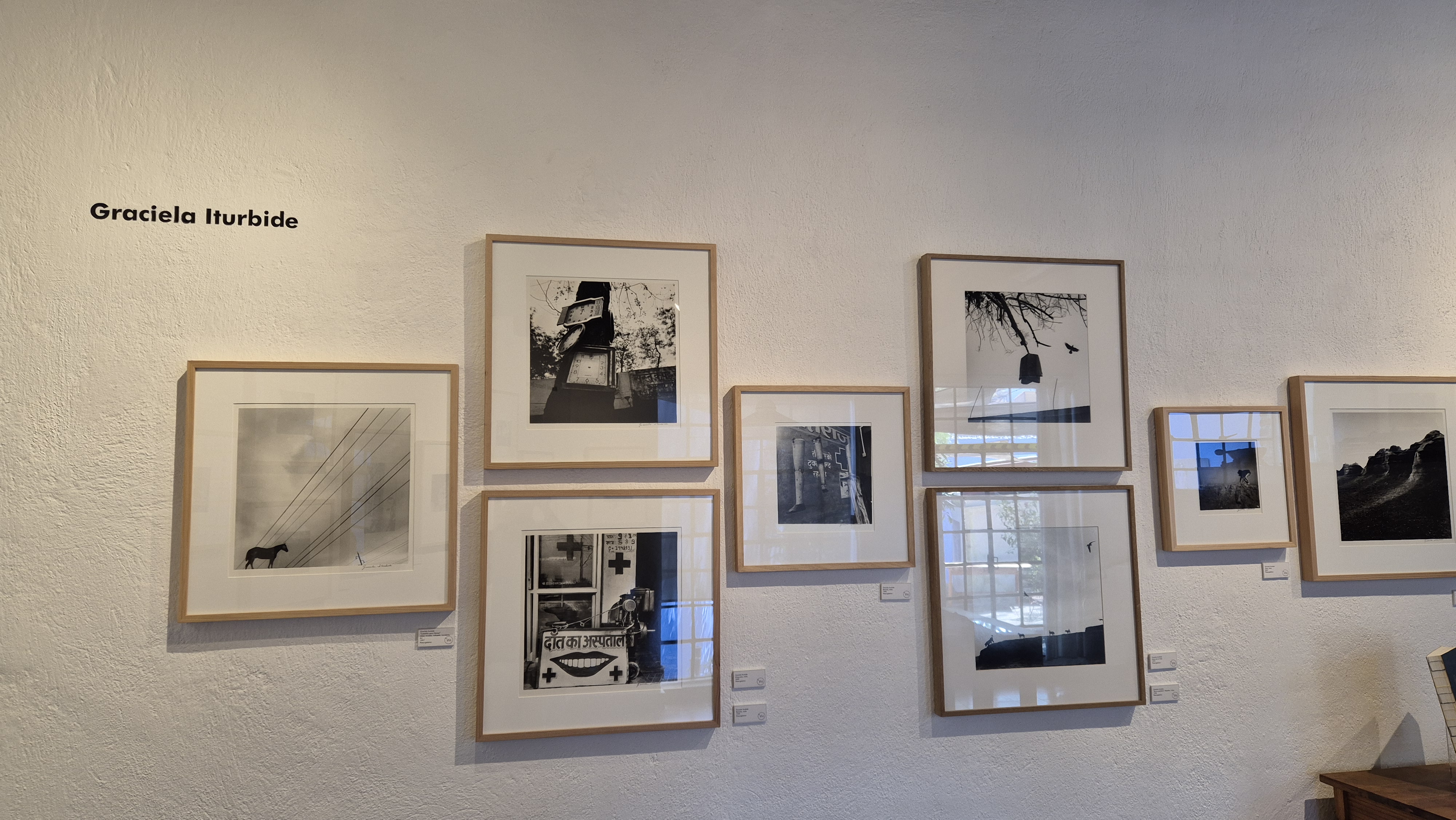
Gallery view of the exhibition “Oter lands. Graciela Iturbide | Manuel Álvarez Bravo”
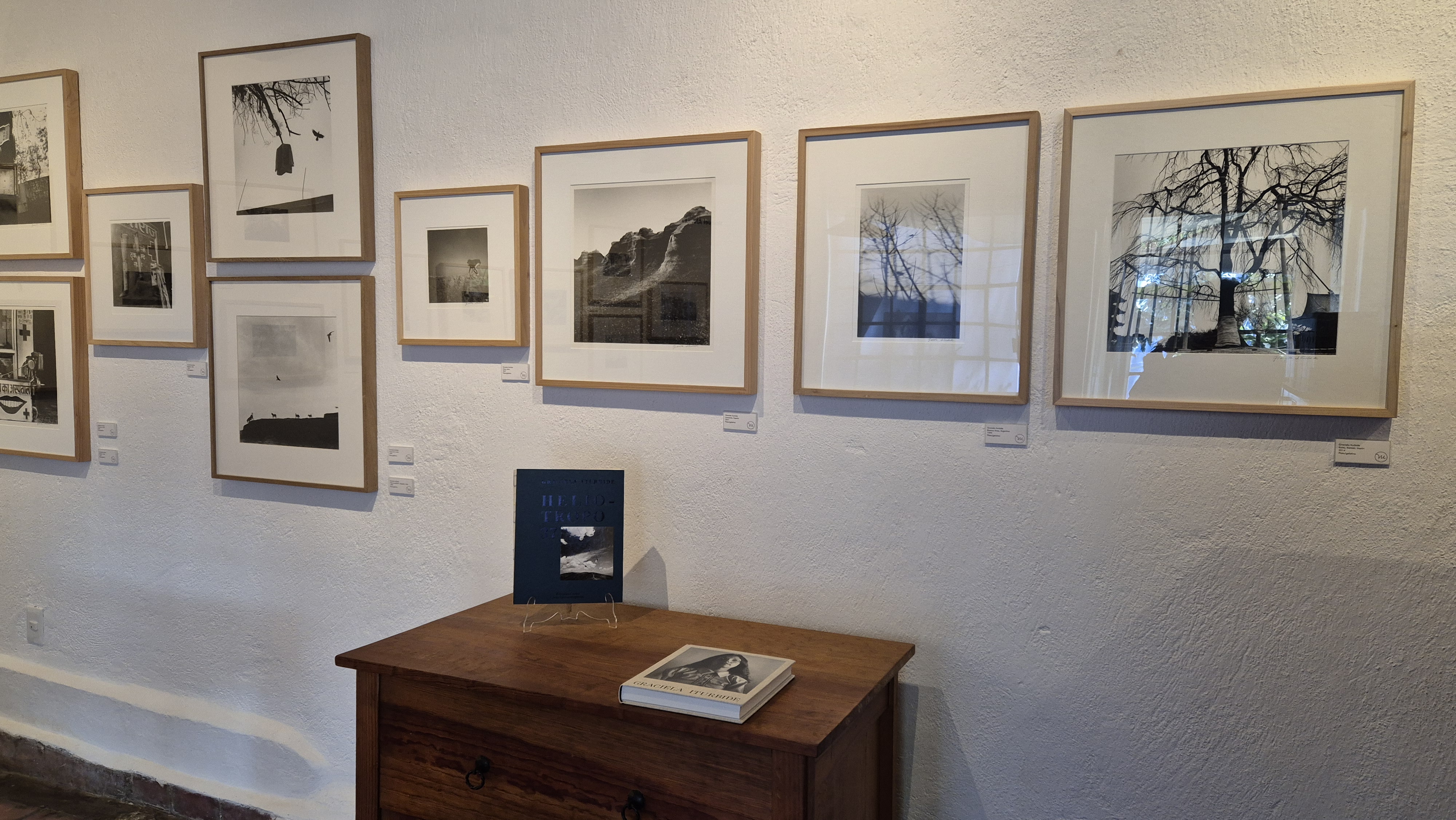
Gallery view of the exhibition “Oter lands. Graciela Iturbide | Manuel Álvarez Bravo”
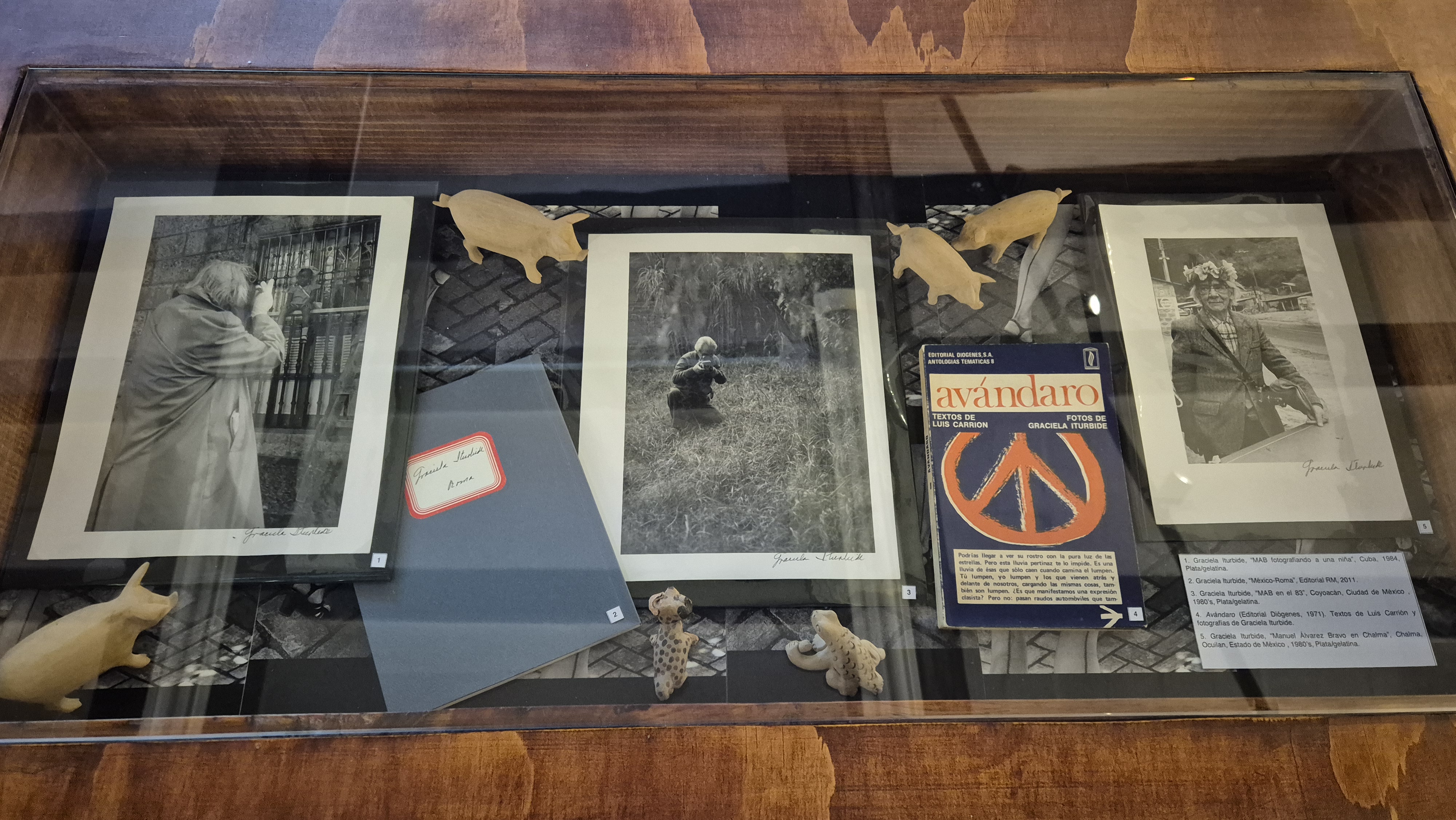
Gallery view of the exhibition “Oter lands. Graciela Iturbide | Manuel Álvarez Bravo”
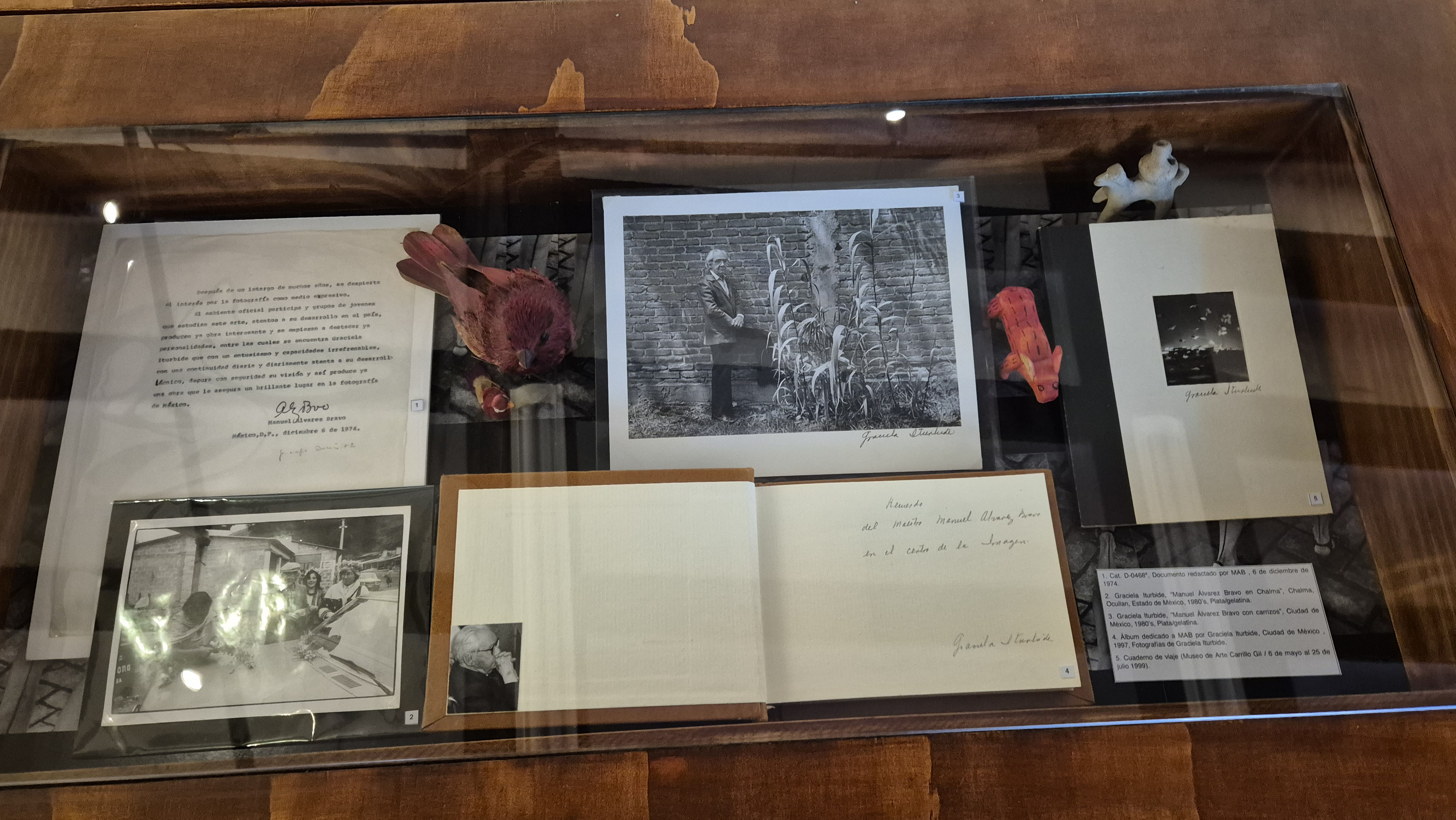
Gallery view of the exhibition “Oter lands. Graciela Iturbide | Manuel Álvarez Bravo”
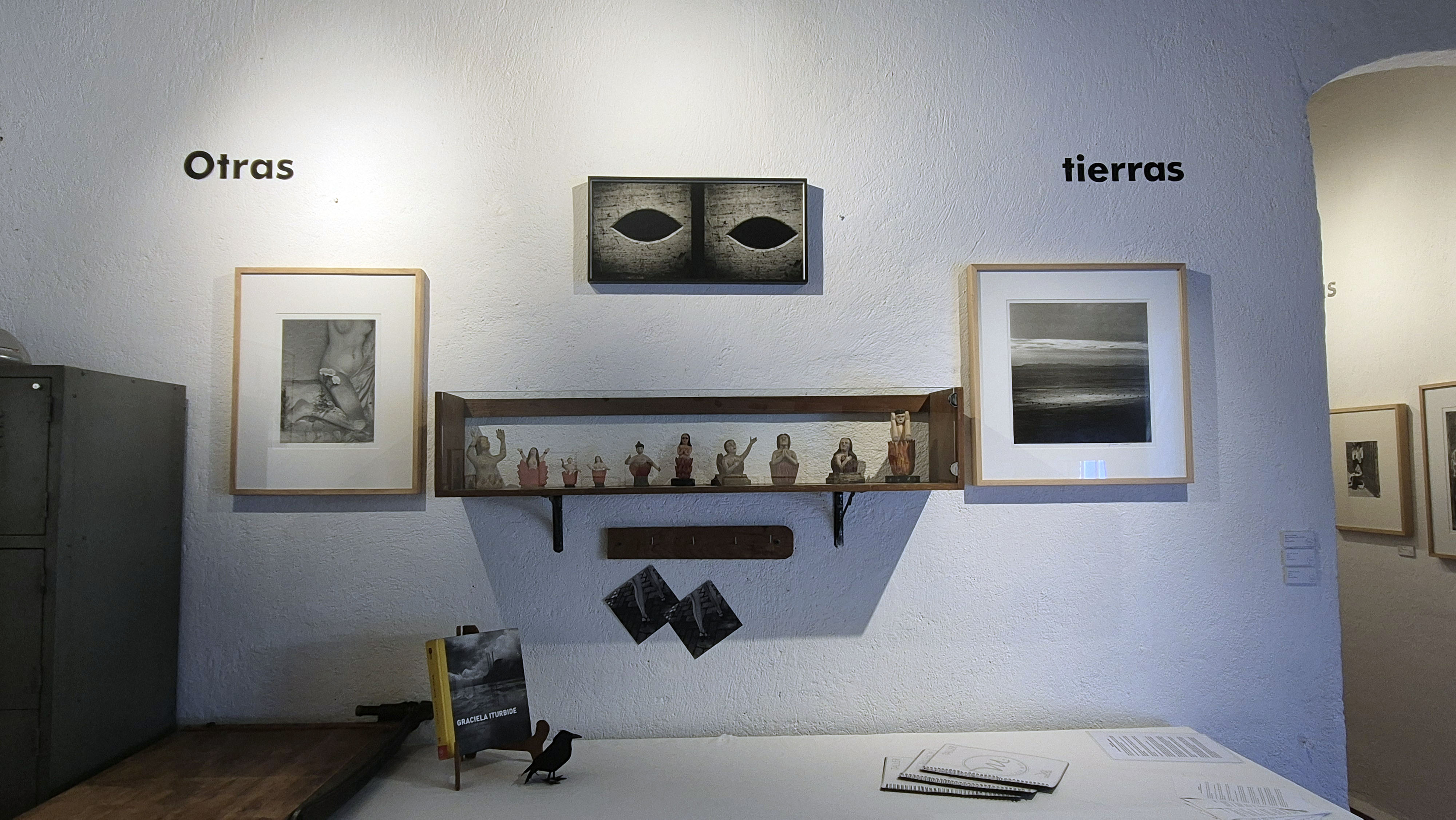
Gallery view of the exhibition “Oter lands. Graciela Iturbide | Manuel Álvarez Bravo”
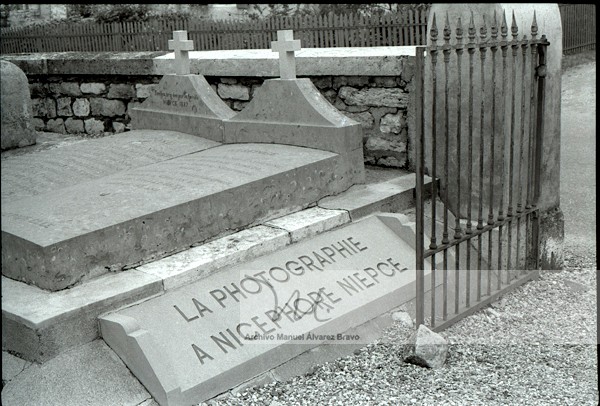
Tumba de Joseph Nicéphore Niepce [Joseph Nicéphore Niepce’s grave]
Manuel Álvarez Bravo Chalon-sur Saône, France October, 1984 Silver/gelatine
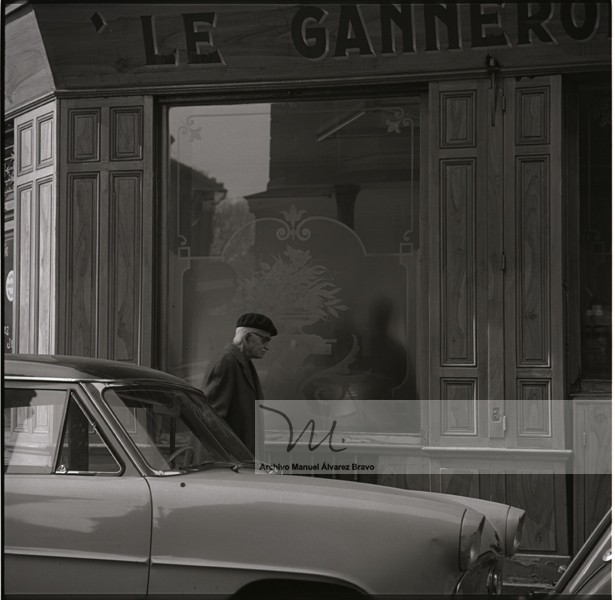
El Ganneron [The Ganneron]
Manuel Álvarez Bravo France 1960 Silver/gelatine

Restauración [Restoration]
Manuel Álvarez Bravo Quito, Ecuador May 1984 Silver/gelatine
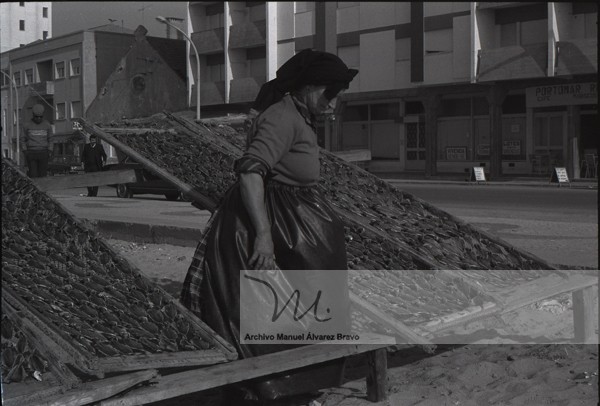
Cat. 07862 La pesca [The fishhing]
Manuel Álvarez Bravo Portugal November 1987 Silver/gelatine
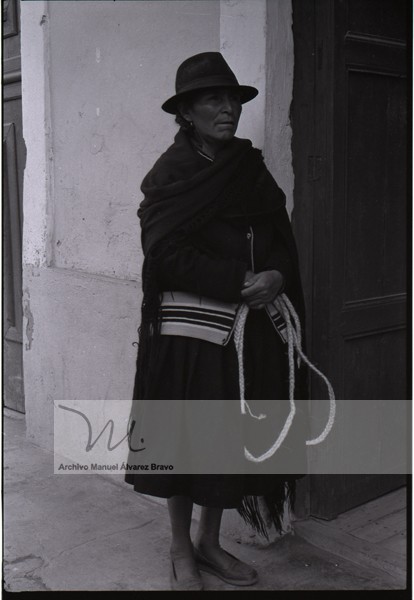
Mujer en Saquisili [Woman in Saquisili]
Manuel Álvarez Bravo Saquisili, Ecuador May 1984 Silver/gelatine
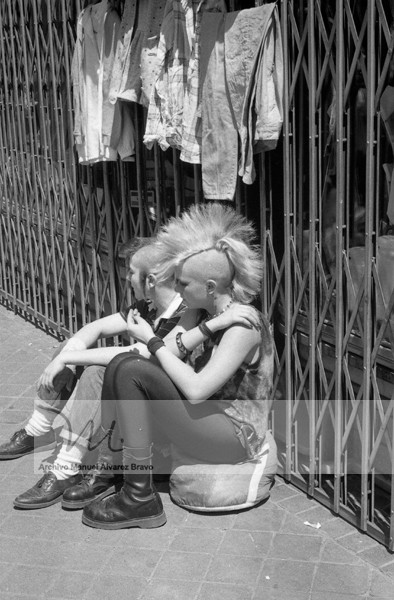
Cat. 03365 Punks
Manuel Álvarez Bravo London, England July 1980 Silver/gelatine
Virgen de Harpys [Harpys’ Virgin]
Graciela Iturbide East Los Angeles, EU 1986 Silver/gelatine
Karmi Mata
Graciela Iturbide Deshnoke, India 1998 Silver/gelatine

Curación en la catedral [Curation in the cathedral]
Graciela Iturbide Vigo, España 1992 Silver/gelatine

El extraño caso [A strange case]
Manuel Álvarez Bravo Rouen, France 1960 Silver/gelatine
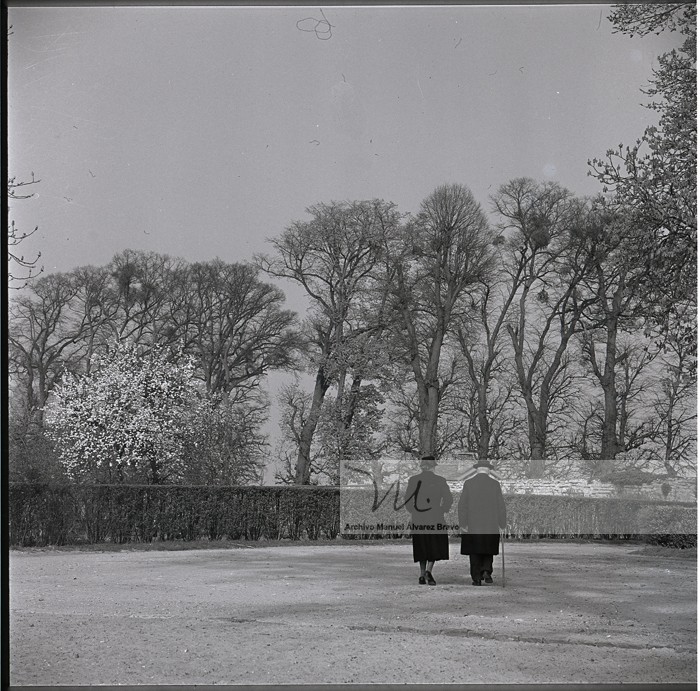
Empieza la primavera
Manuel Álvarez Bravo Saint-Germain-en Laye, France 1960 Silver/gelatine
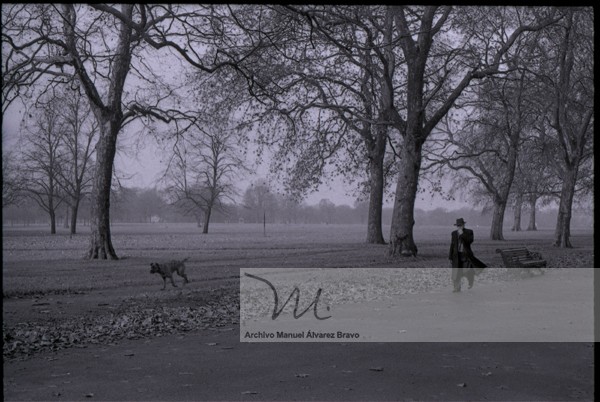
Cat. 13365 Hyde Park
Manuel Álvarez Bravo London, England 1959 Silver/gelatine
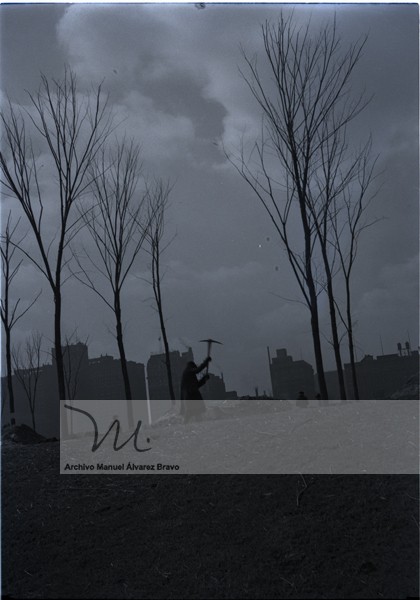
Tierra dura; Trabajadores en un parque de Chicago; Travail noir [Hard land; Workers at the park, Chicago; Black work]
Manuel Álvarez Bravo Chicago, Illinois, United States of America 1936 Silver/gelatine
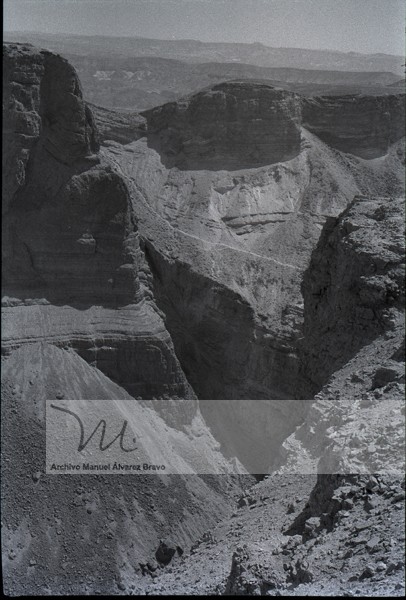
Cat. 06571 Panorama desde Massada [Landscape from Massada
Manuel Álvarez Bravo Massada, Israel June 1983 Silver/gelatine
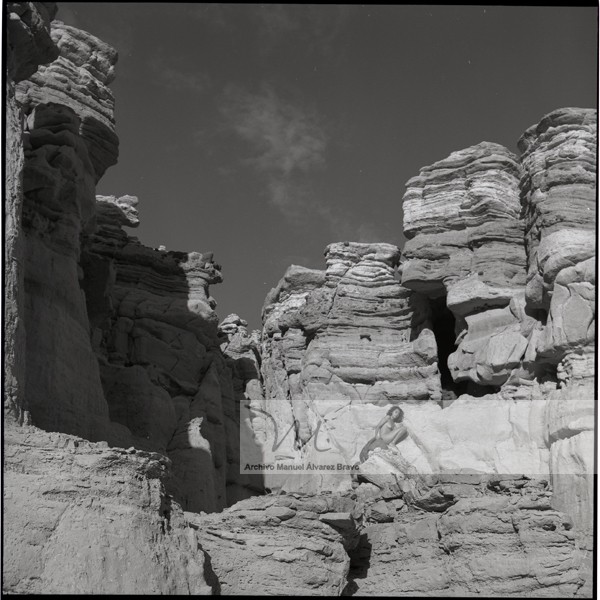
Cat. 23035 Desnudo en las rocas [Nude in the rocks]
Manuel Álvarez Bravo New Mexico, United States of America Agust 1988 Silver/gelatine
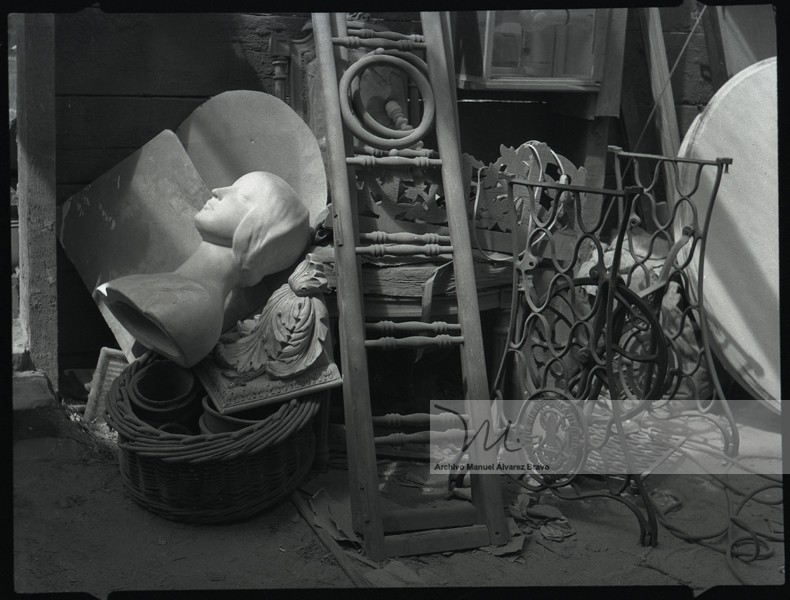
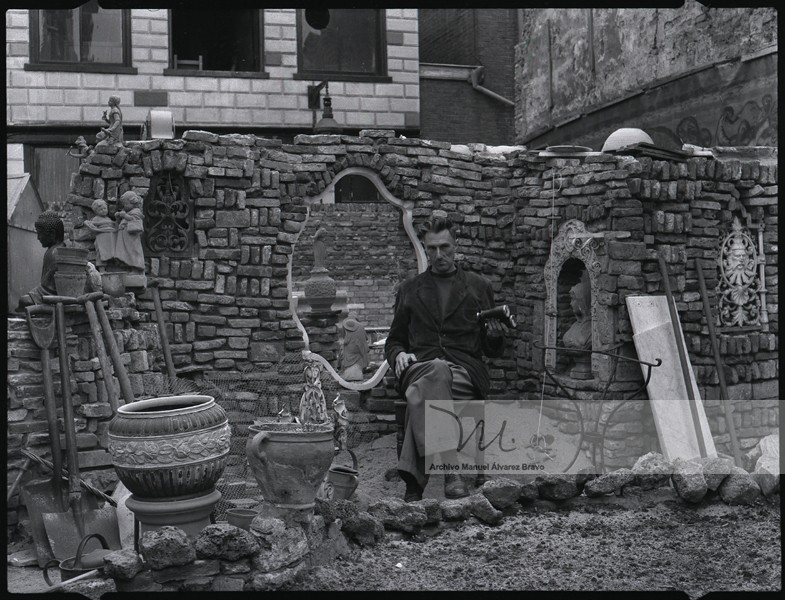
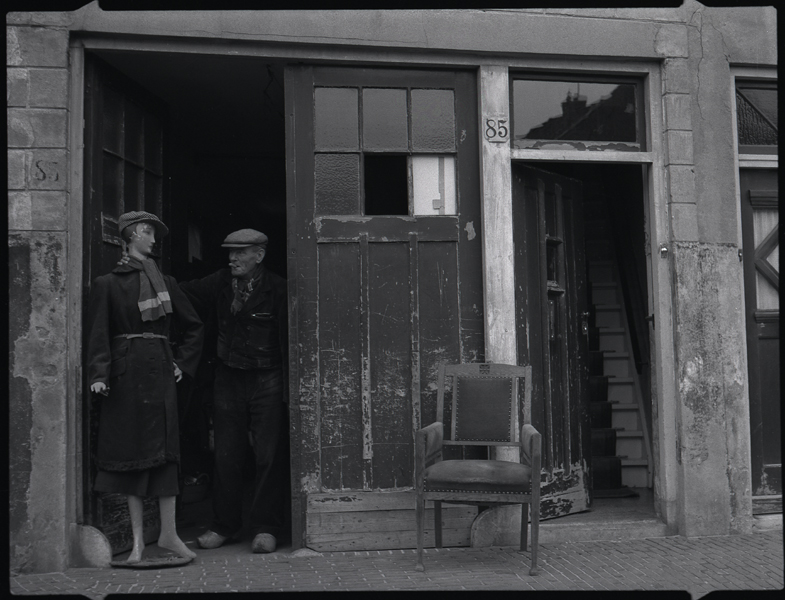
Cat. 20046 Antiguedades [Antiques]
Manuel Álvarez Bravo Holland 1960 Silver/gelatine
Cat. 20045 Anticuario [Antiquarian]
Manuel Álvarez Bravo Holland 1960 Silver/gelatine
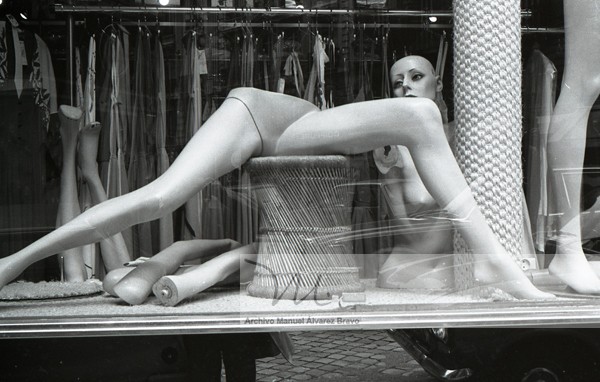
Cat. 05744 Piernas sentadas, a [Sitting legs, a]
Manuel Álvarez Bravo London, England July 1980 Silver/gelatine
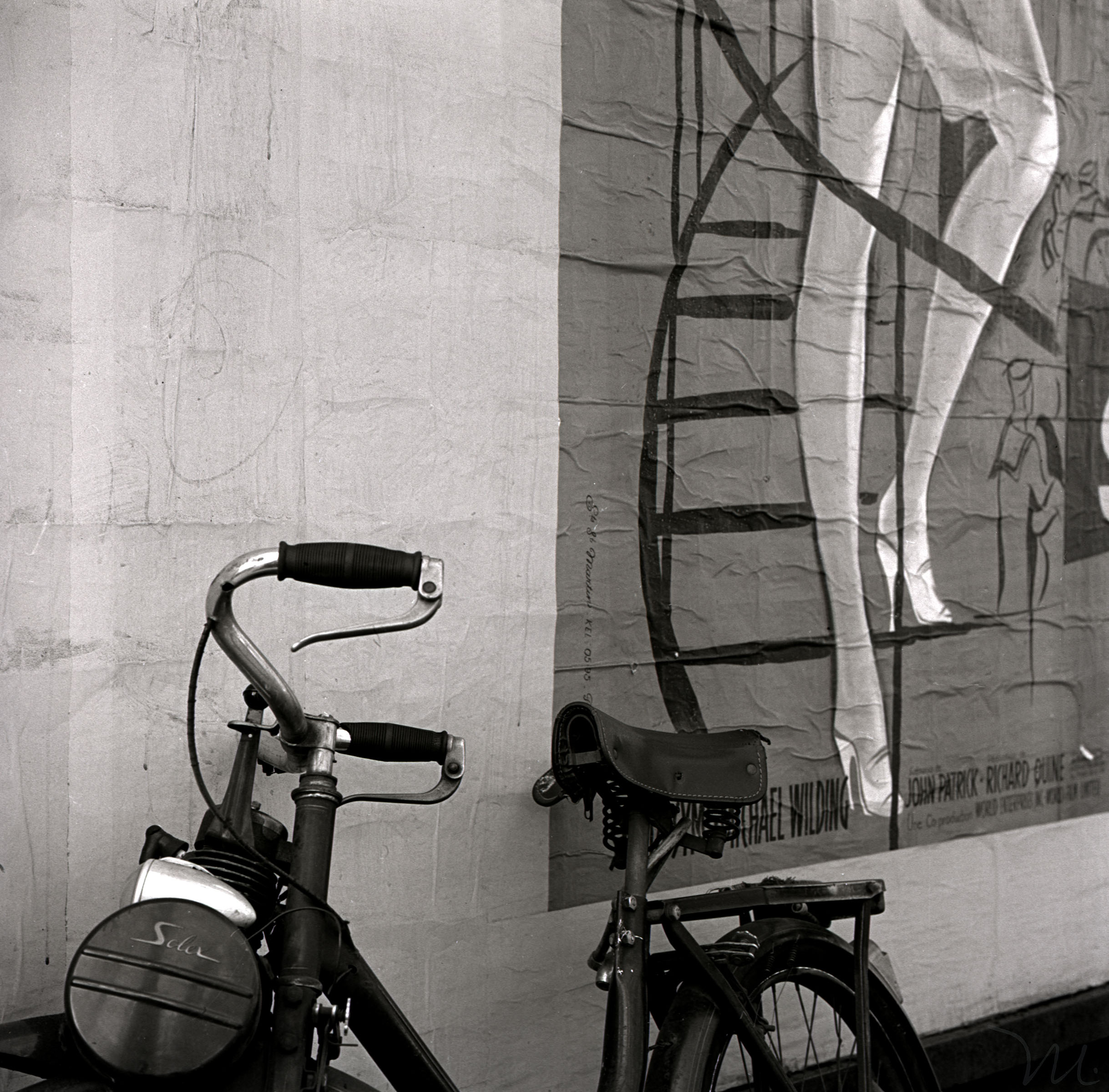
La cita, París [The date, Paris]
Manuel Álvarez Bravo Paris, France 1960 Silver/gelatine
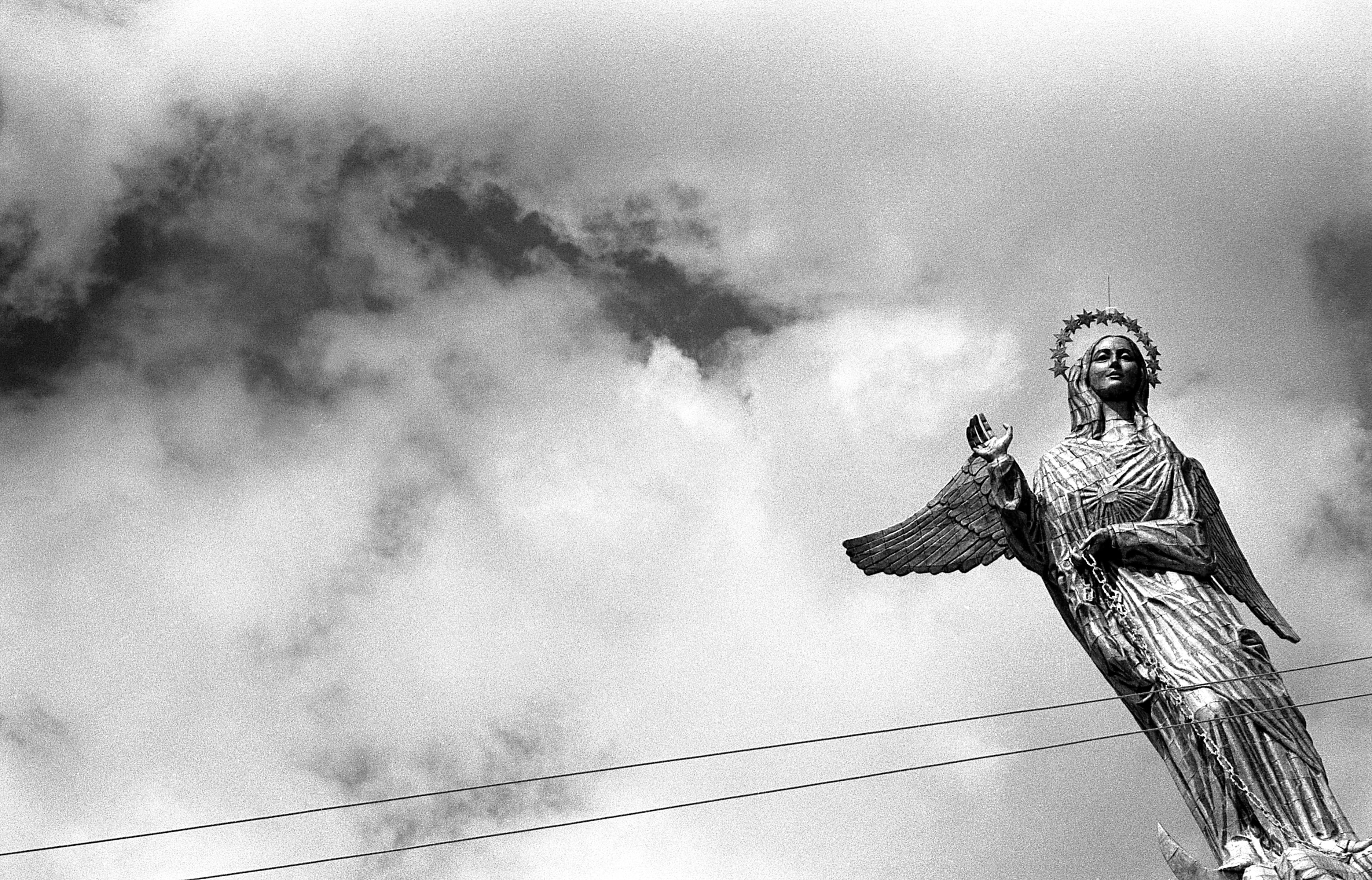
Los adioses [The goodbyes]
Manuel Álvarez Bravo Quito, Ecuador May 1984 Silver/gelatine
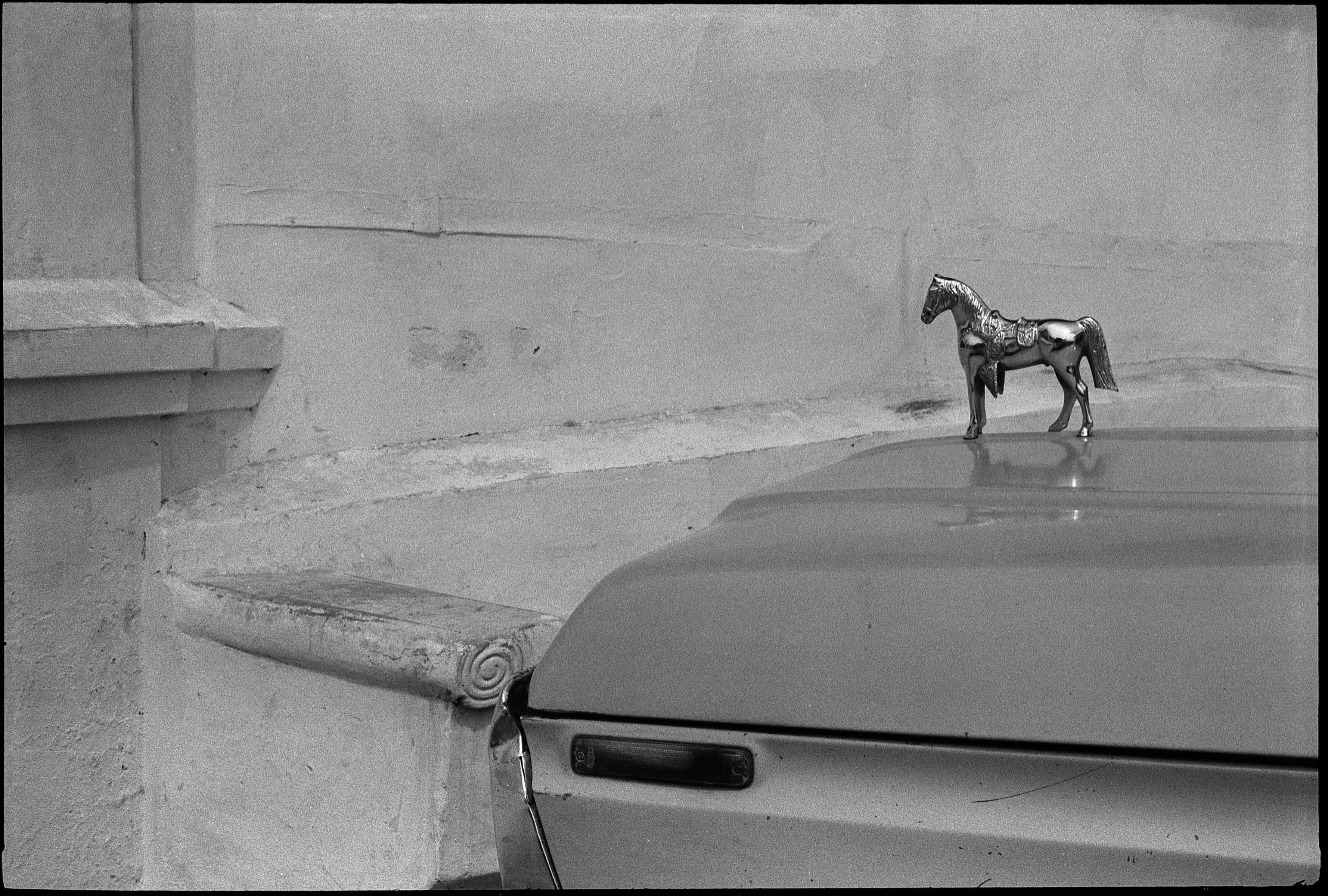
Caballito de Quito [Little horse from Quito]
Manuel Álvarez Bravo Quito, Ecuador May 1984 Silver/gelatine
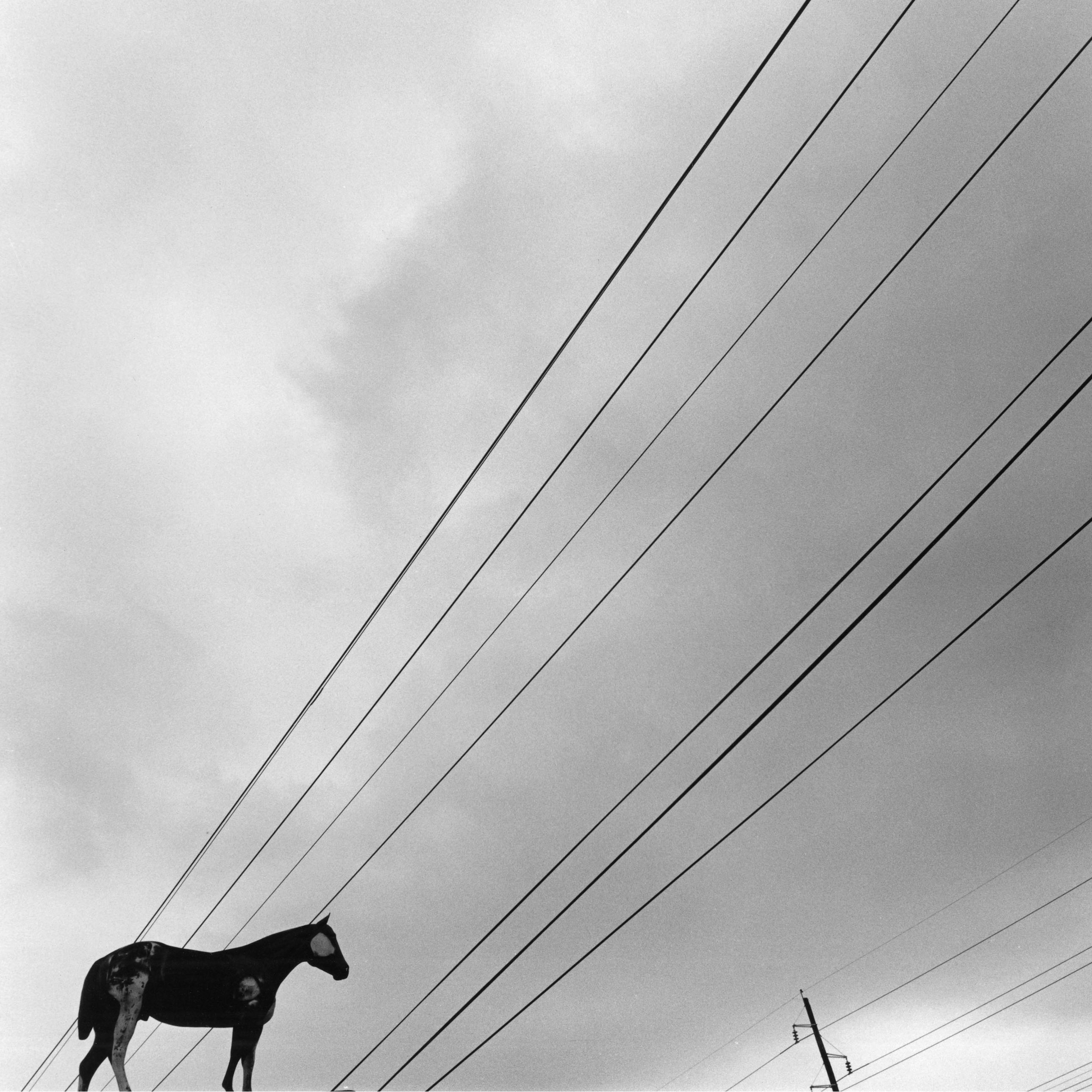
Caballito para Gerzo [Horse for Gerzo]
Graciela Iturbide Arcadia, Lafayette, Louisiana, United States of America 1997 Silver/Gelatine

Benarés,India
Graciela Iturbide Benarés, India 1999 Silver/gelatine
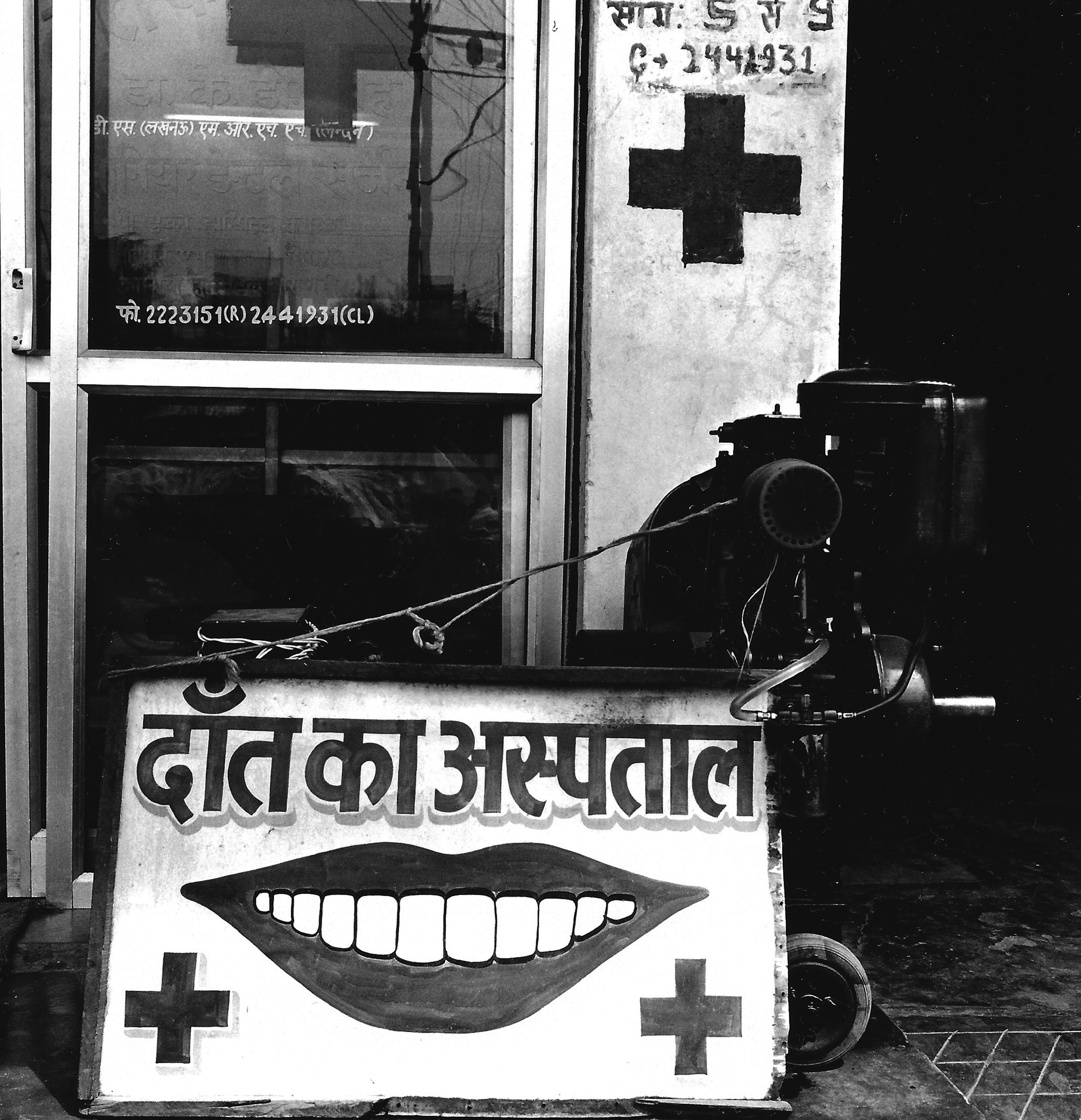
Benarés, India
Graciela Iturbide Benarés, India 1999 Silver/gelatine
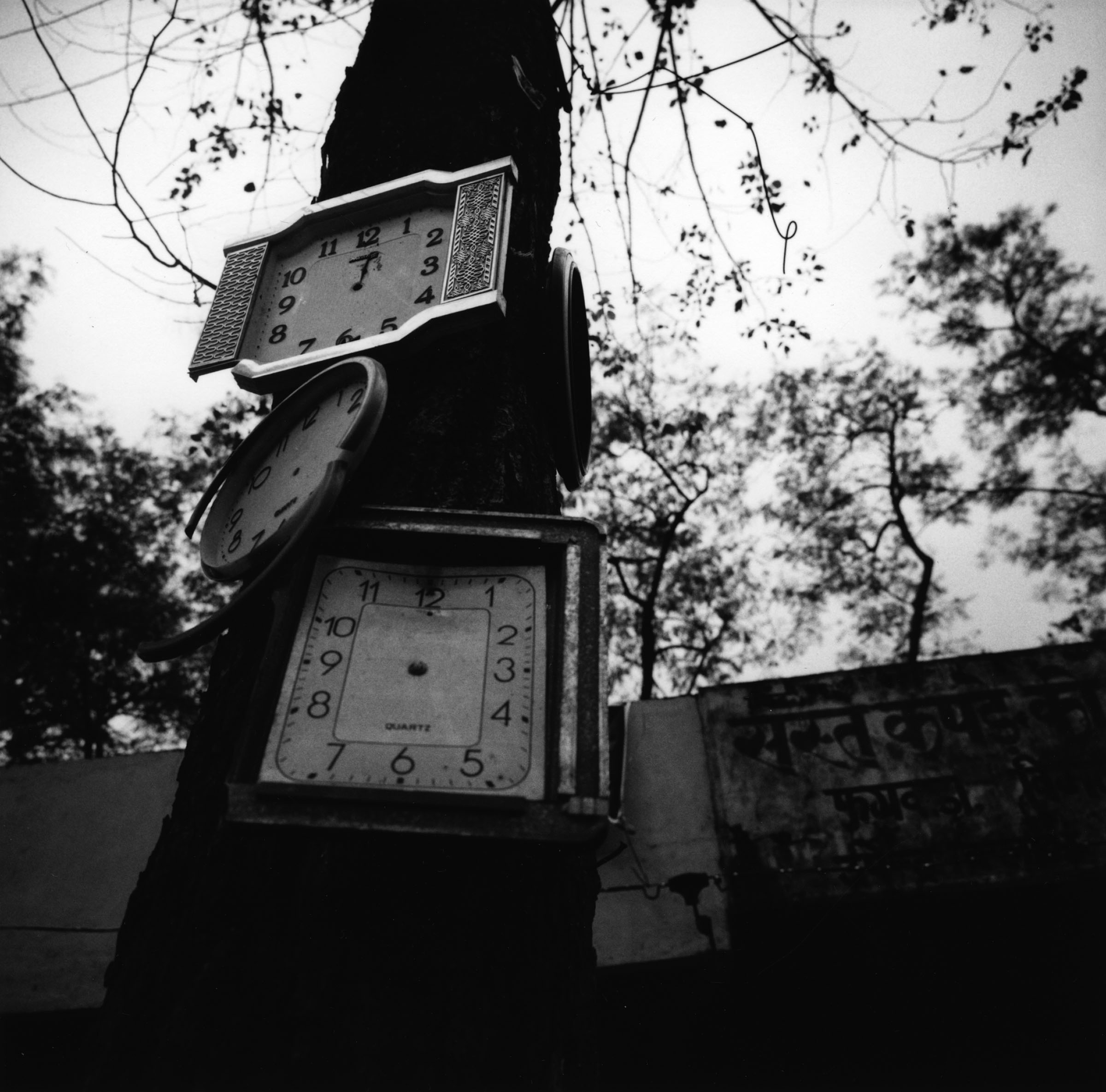
Norte de la India [Northern India]
Graciela Iturbide North of India 1999 Silver/gelatine
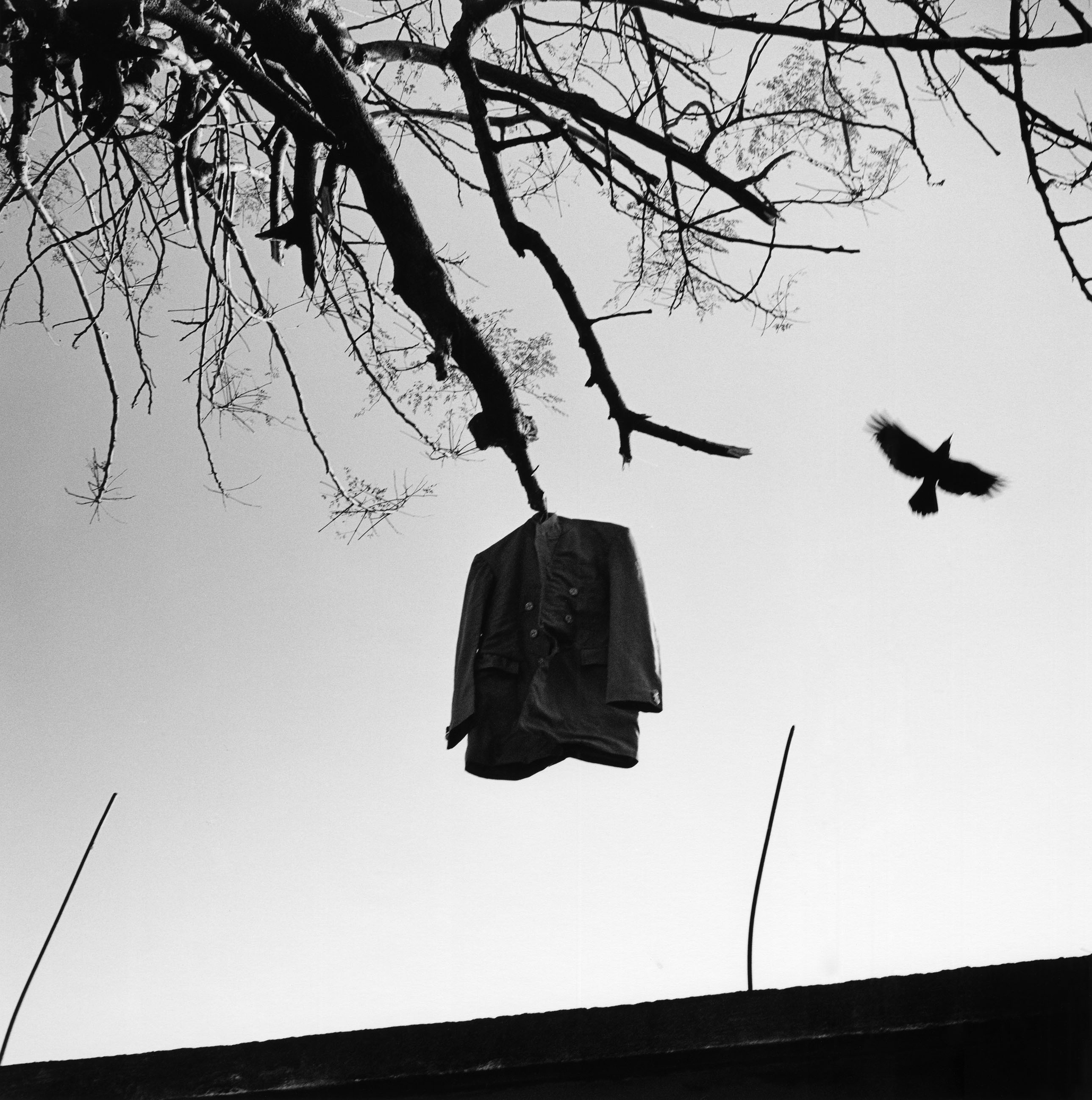
Khajuaraho, India
Graciela Iturbide Khajuaraho, India 2000 Silver/gelatine
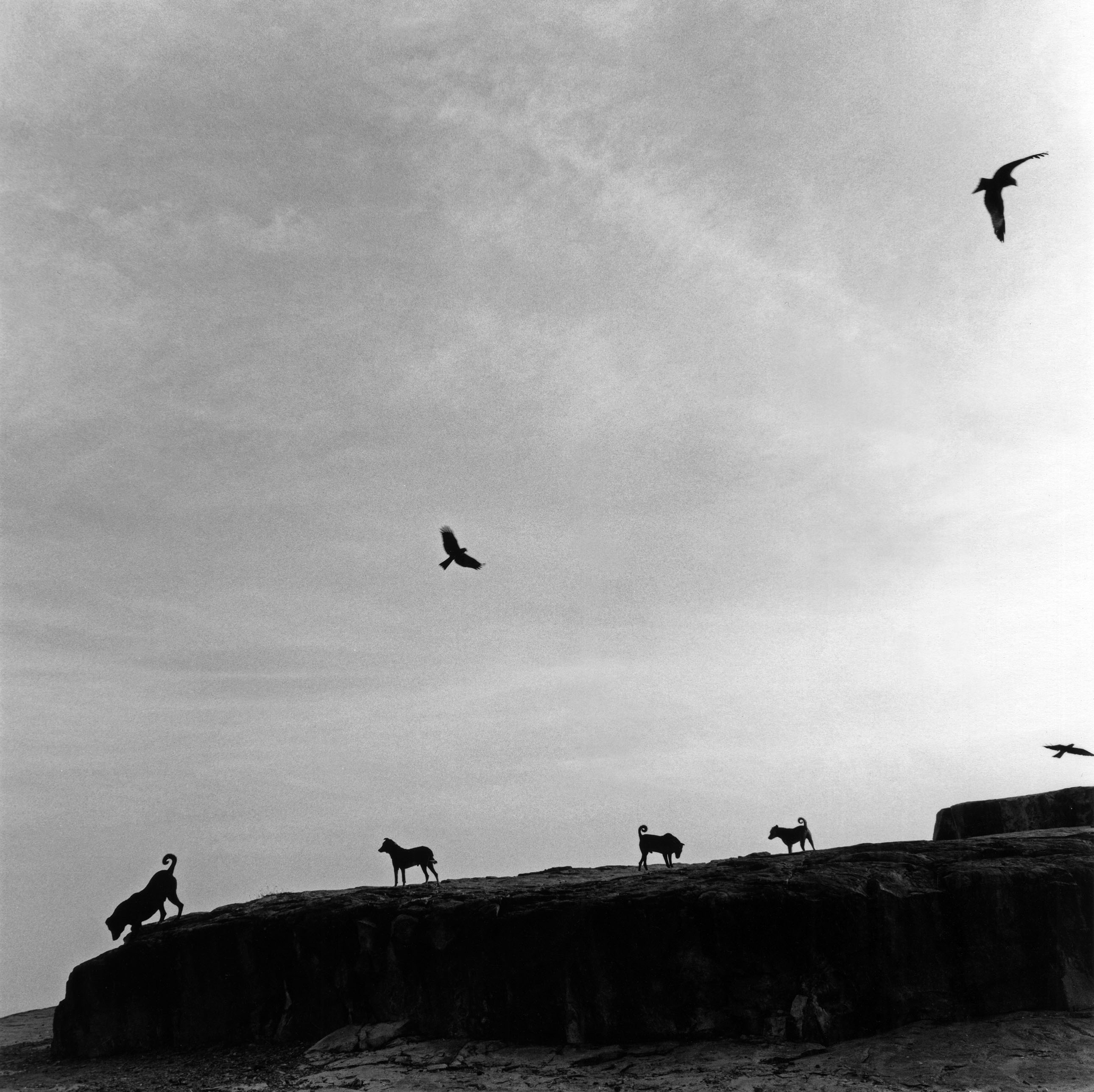
Perros perdidos [Lost dogs]
Graciela Iturbide Rajastán, India 1998 Silver/gelatine

Lanzarote, España
Graciela Iturbide Lanzarote, España 2021 Silver/gelatine
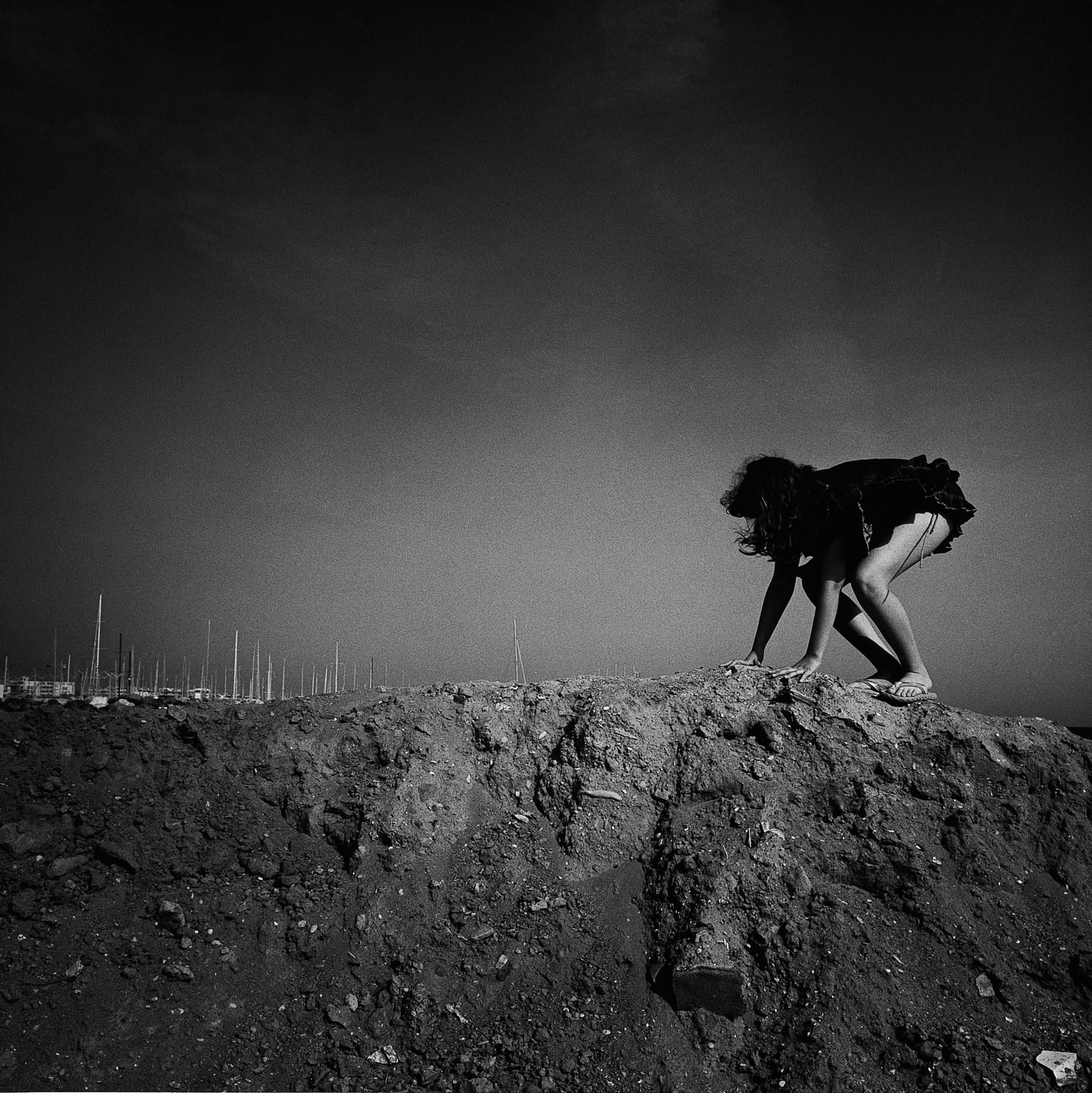
Ostia, Italia
Graciela Iturbide Ostia, Italia 2007 Silver/gelatine
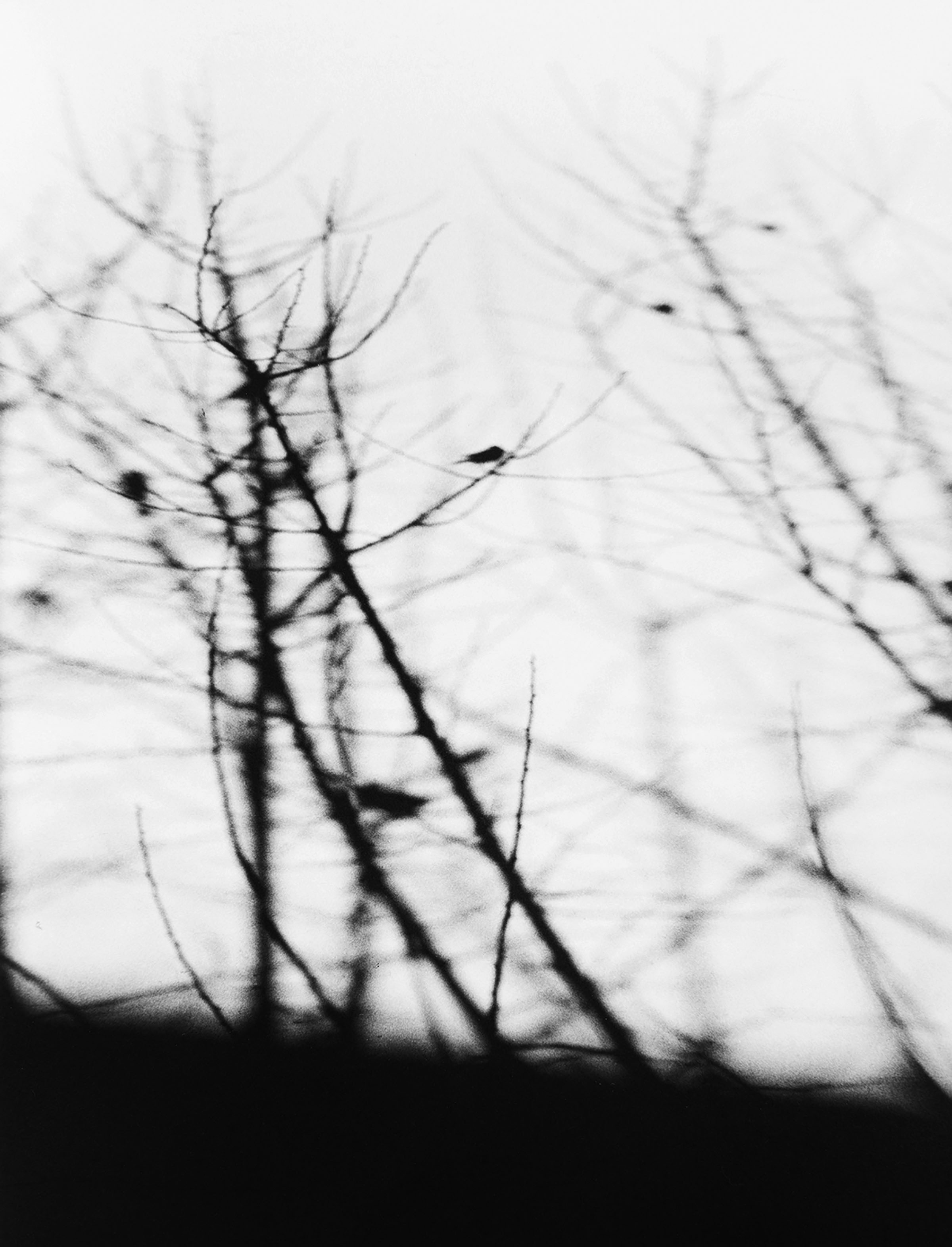
Buenos Aires, Argentina
Graciela Iturbide Buenos Aires [Argentina] 1999 Silver/gelatine
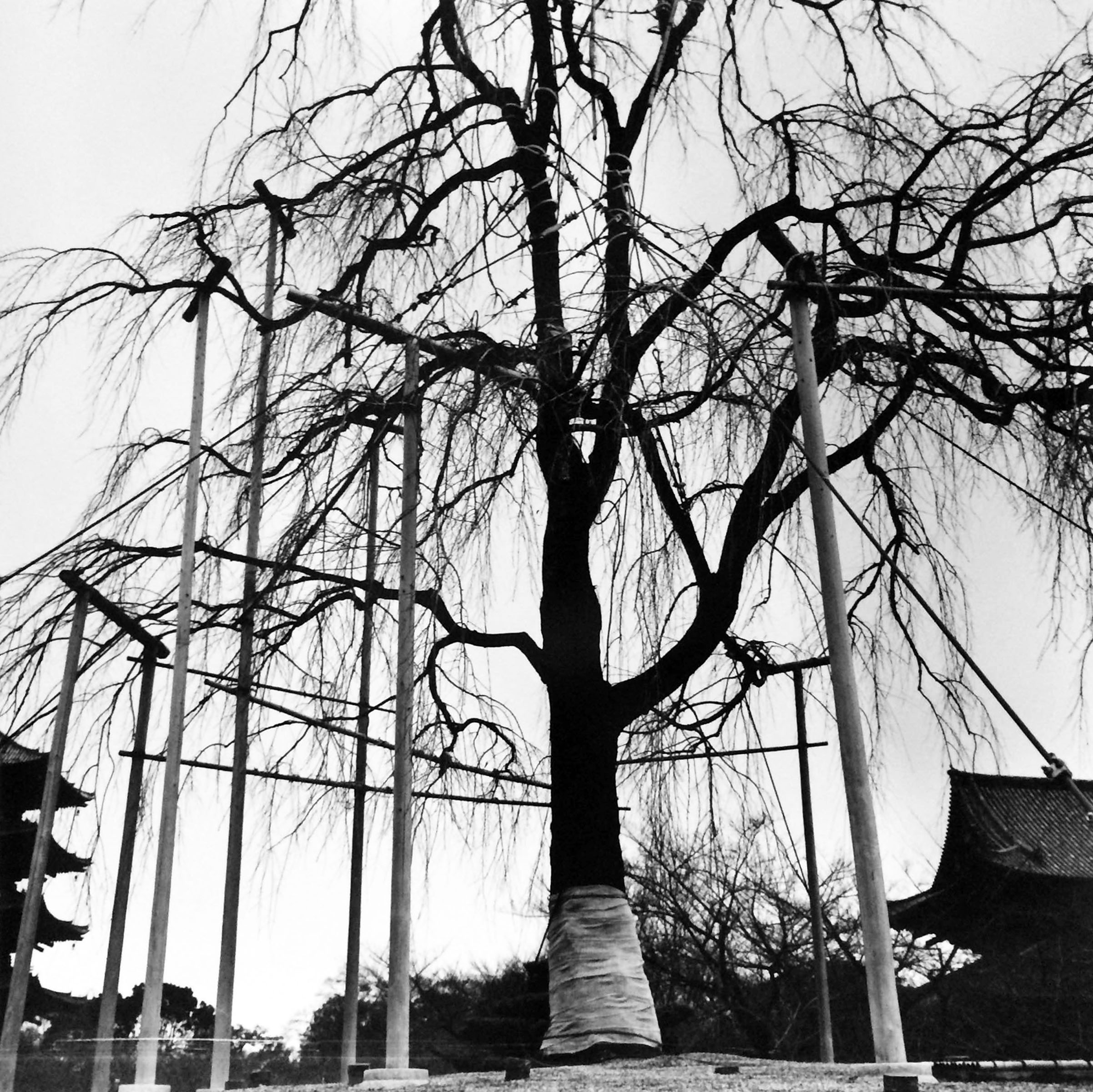
Kioto, Kansai, Japan
Graciela Iturbide Kioto, Kansai, Japan 2014 Silver/gelatine
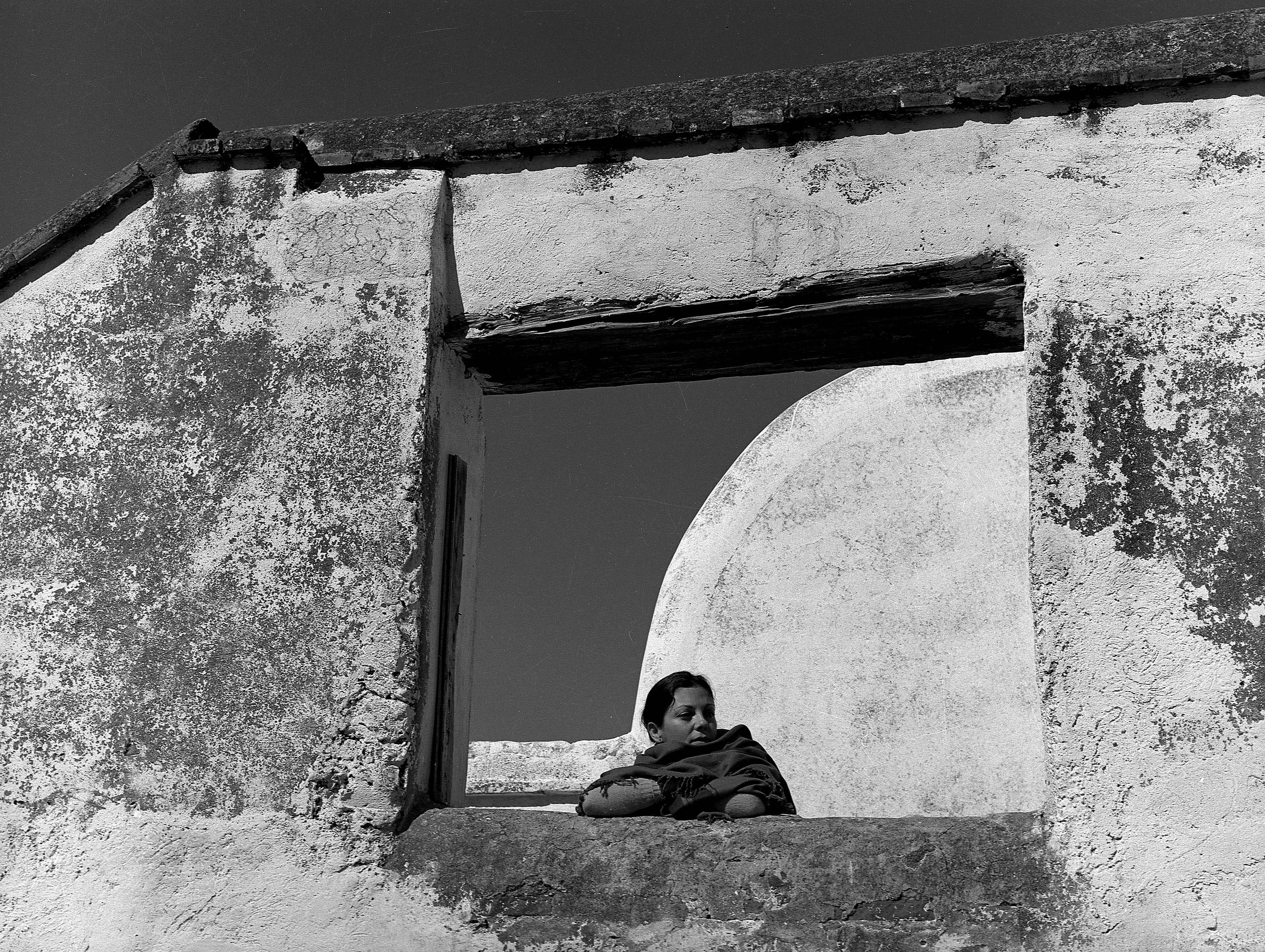
Cat. 15179 Graciela con marco [Graciela with frame]
Manuel Álvarez Bravo Mexico 1970’s Digital print
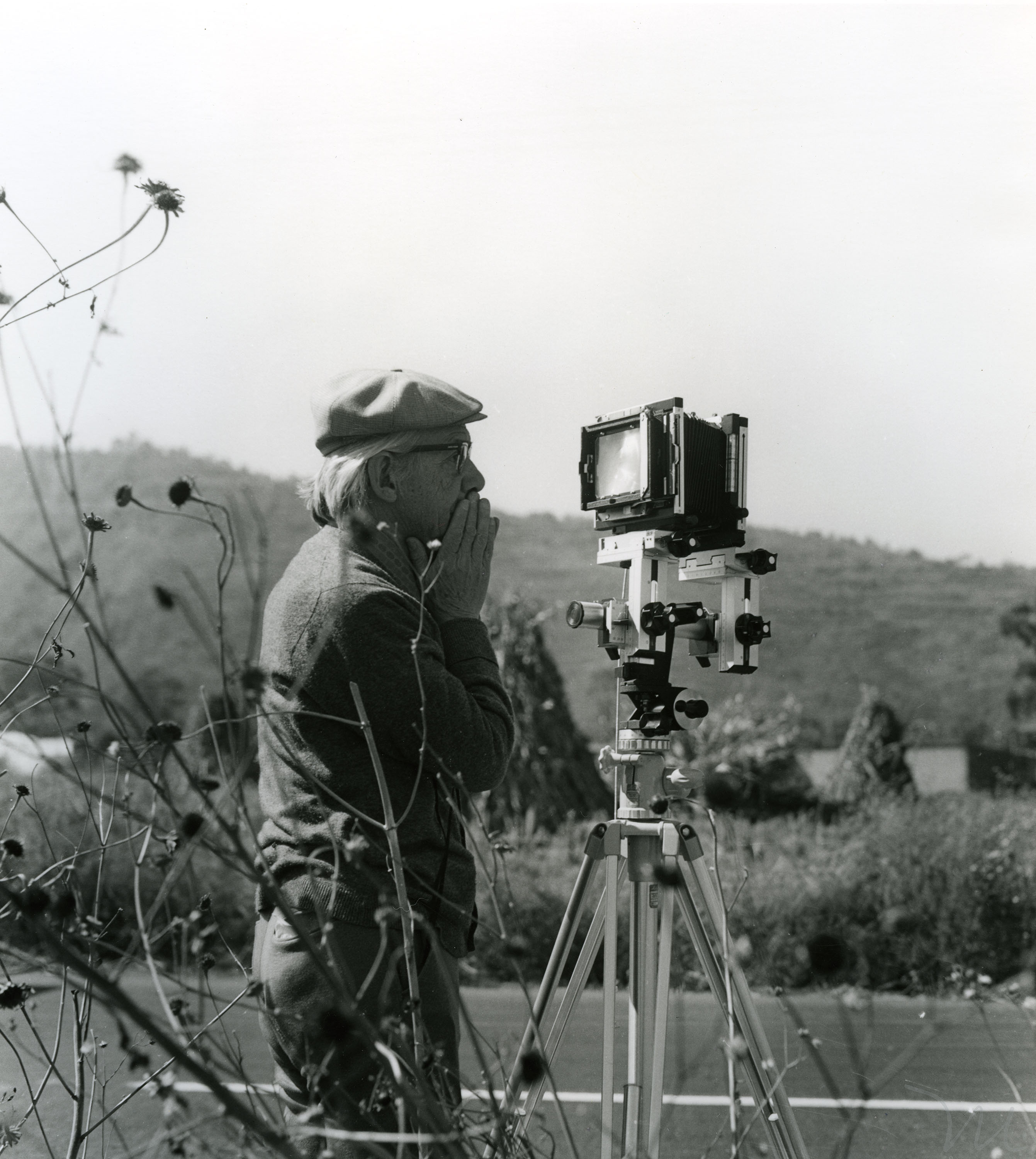
Manuel Álvarez Bravo
Graciela Iturbide Mexico 1970 Digital print
"The Photographic Bizarrism of Manuel Álvarez Bravo." September 2025–January 2026.
It’s is quite common for Manuel Álvarez Bravo’s work to be associated with Surrealism, but he often stated that his only truly Surrealist photograph was [Good Reputation Sleeping], taken in 1938 at the request of André Breton.
Don Manuel used to say that a work of art is made up of influences, and he never hesitated to point out those that had most inspired him, such as Pablo Picasso’s Cubism. He associated certain aspects of his work with the “fantastic,” as “objective” reality often leeds to various interpretations.
This artist, who chose to express himself through the lens, often quoted 19th-century Spanish poet Campoamor: “Everything depends on the lens through which you look.” And above all, he delighted in citing Don Quijote’s reply to Sancho Panza: “…that which to you appears to be a barber’s basin, to me is the helmet of Mambrino, and to someone else, it may seem something entirely different.” If anyone asked him to explain one of his works, he preferred to leave that to the viewer so they could interpret it freely.
His early work was marked by Hugo Brehme’s pictoralist work, whom he knew personally, until the revelation of Cubism—through a book on Pablo Picasso (1922)—opened new possibilities for interpreting reality and led to his first explorations of form, such as his paper cut-out studies. Other influences in his work can be seen in his experiments with X-rays—[Giving Hand], a clear reference to the first X-ray by the german Röntgen; in solarization, with two examples currently on display; or in collages such as [Sand and Pines].
All of this sparked his interest for playfulness, invention, mystery, the unexpected, and the poetic that emerges from the banal and elevates it. All of this, ultimately, gave him the opportunity to create bizarre (odd, weird) and rare photographs.
His work weaves in allusions to pre-Hispanic cultures, such as his photographic games with Doris Heyden: [Next Morning], [Unpleasant Portrait], but also aesthetic and literary references from other cultural horizons—for example, [With Ropes] evokes the mythology of the Gorgon or Medusa.
This exhibition consists mostly of vintage prints—rare works both in subject and in the uniqueness of the copies—many of them compositions made by the photographer himself. It brings together some well-known pieces with unpublished or forgotten ones, experiments from works in progress, and highlights the surprising relevance of this centenary photographer.
Here we celebrate twenty years of work by the Manuel Álvarez Bravo Archive, a living archive that helps show why Álvarez Bravo is a pioneer of modern Mexican photography and holds an indisputable place in the vanguards of world photography.
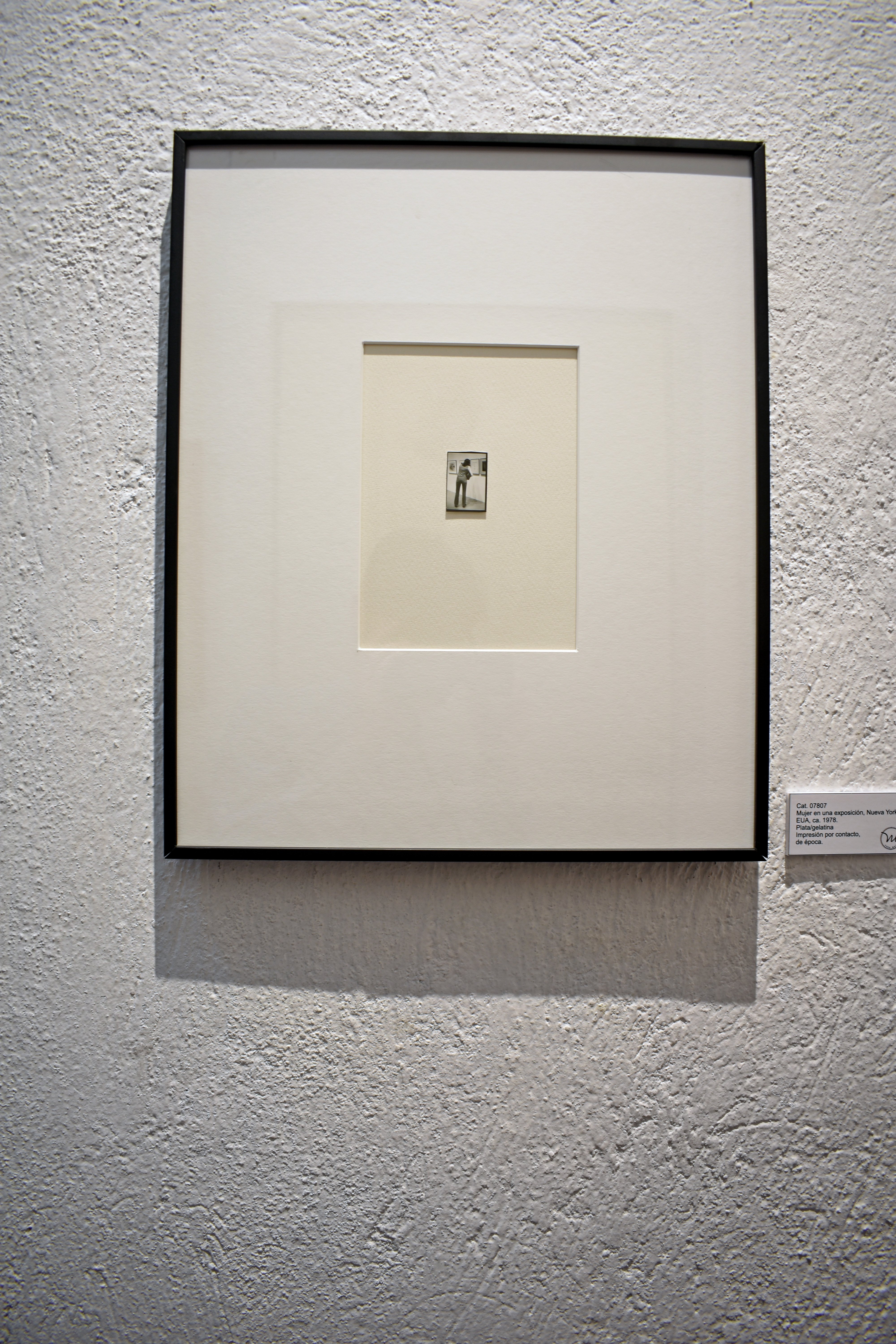
Gallery view of the exhibition “The Photographic Bizarrism of Manuel Álvarez Bravo”
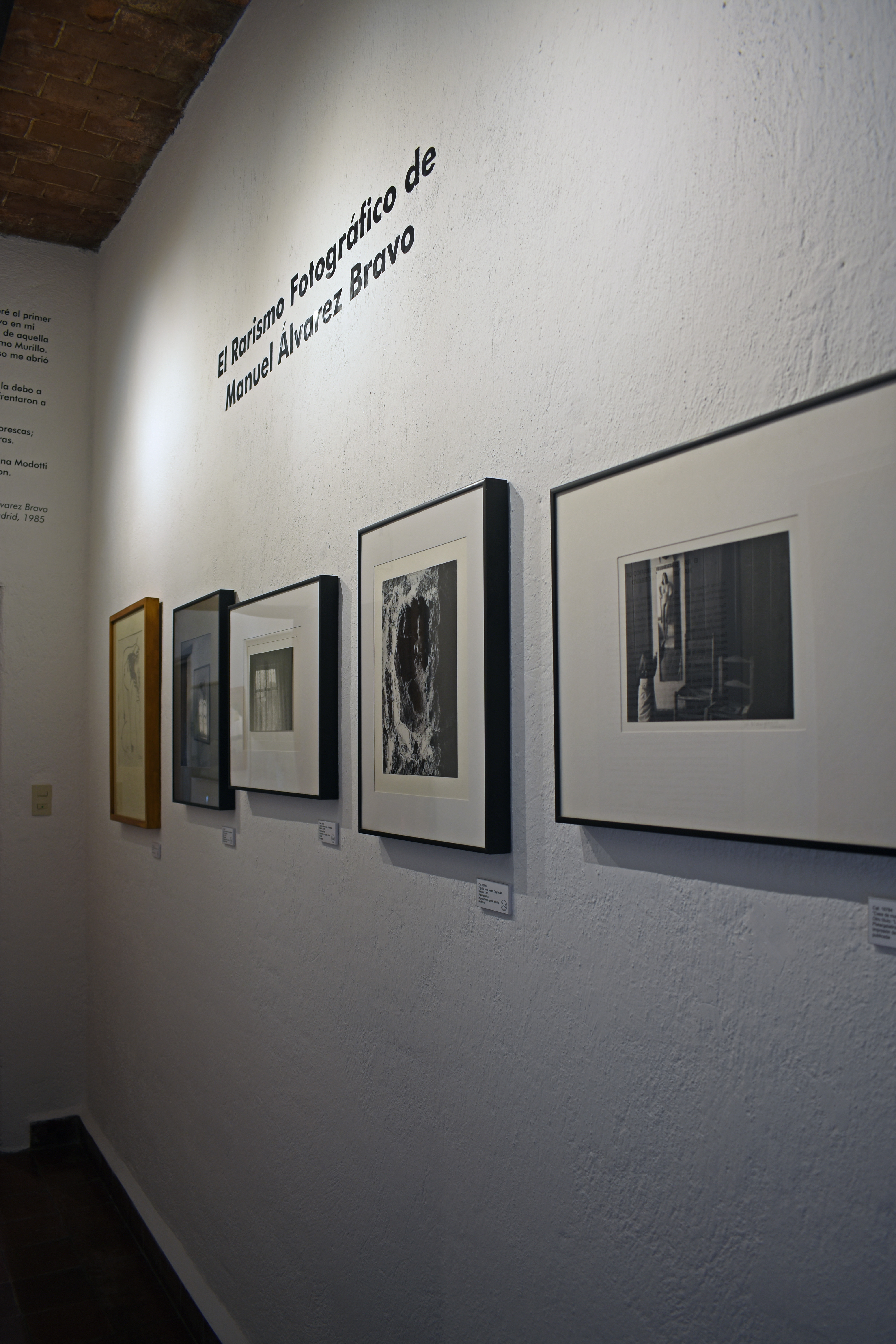
Gallery view of the exhibition “The Photographic Bizarrism of Manuel Álvarez Bravo”
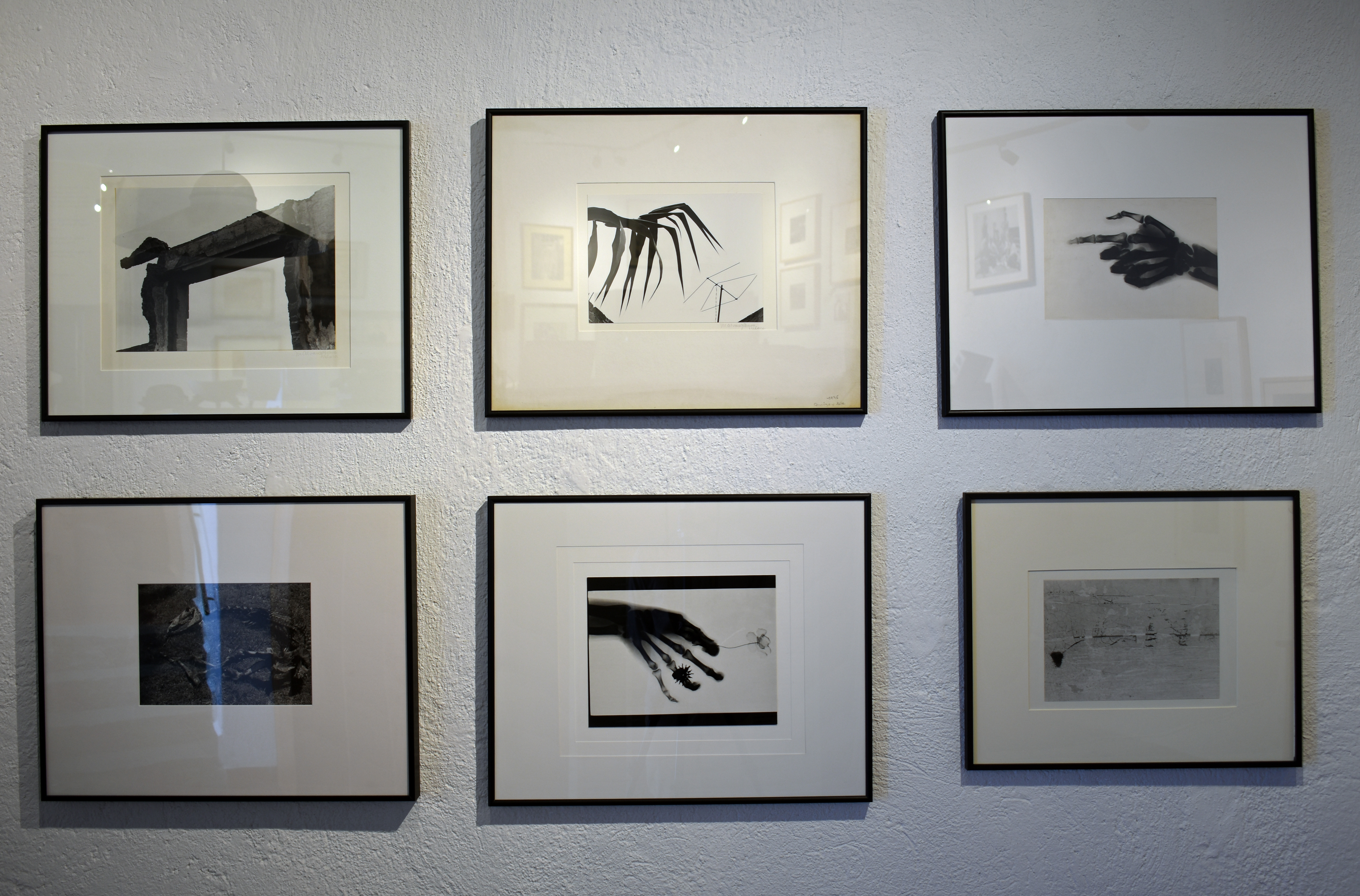
Gallery view of the exhibition “The Photographic Bizarrism of Manuel Álvarez Bravo”
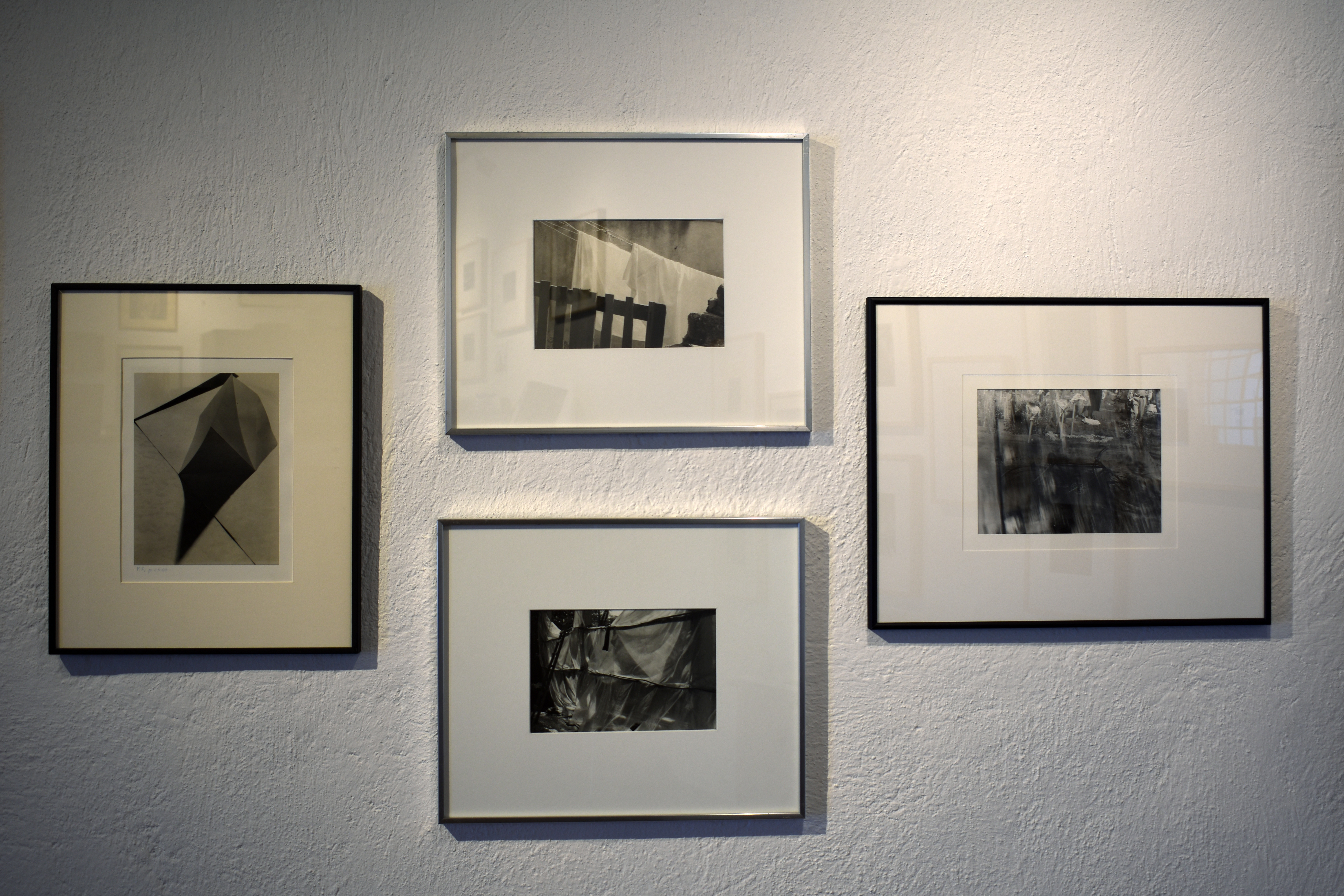
Gallery view of the exhibition “The Photographic Bizarrism of Manuel Álvarez Bravo”
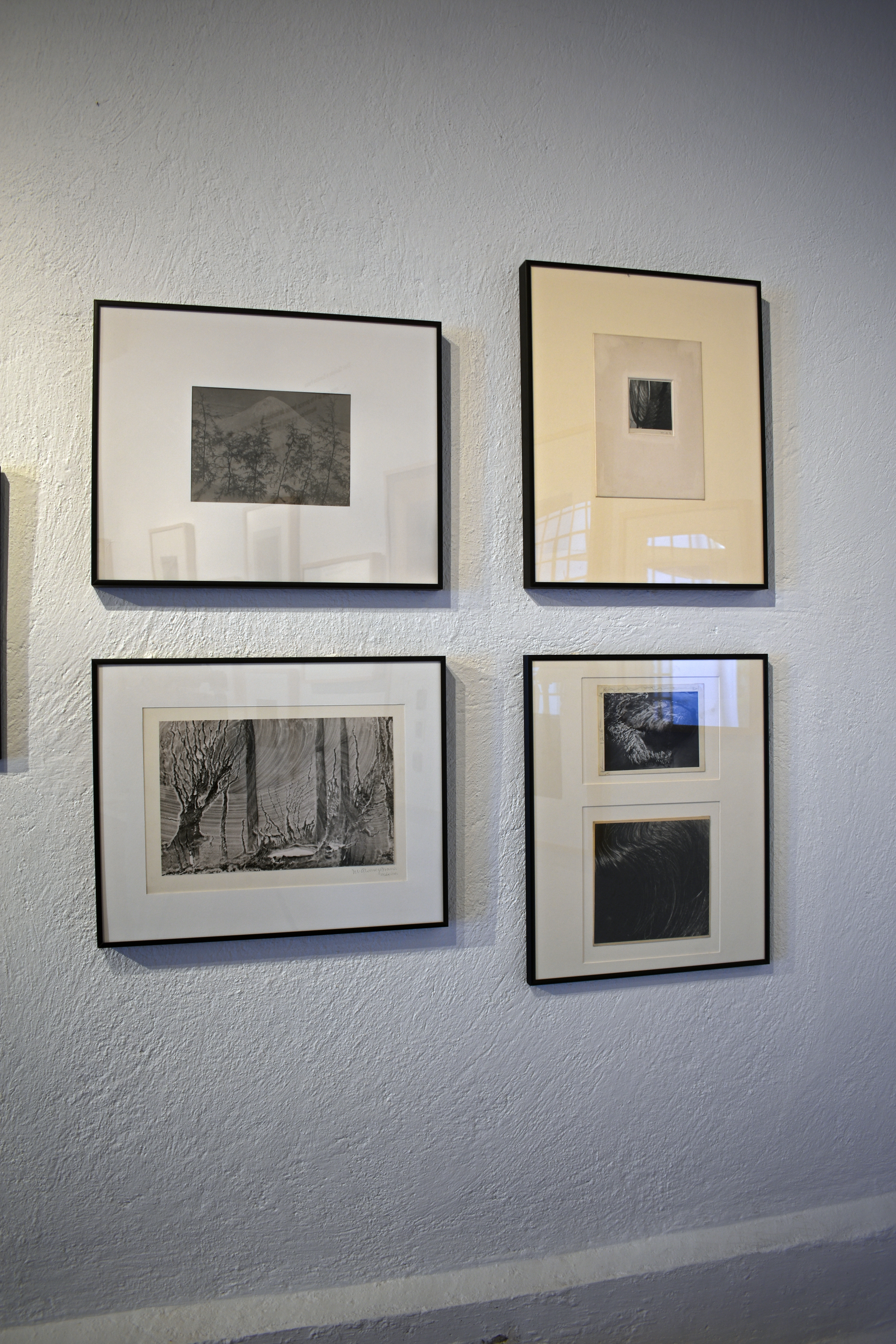
Gallery view of the exhibition “The Photographic Bizarrism of Manuel Álvarez Bravo”
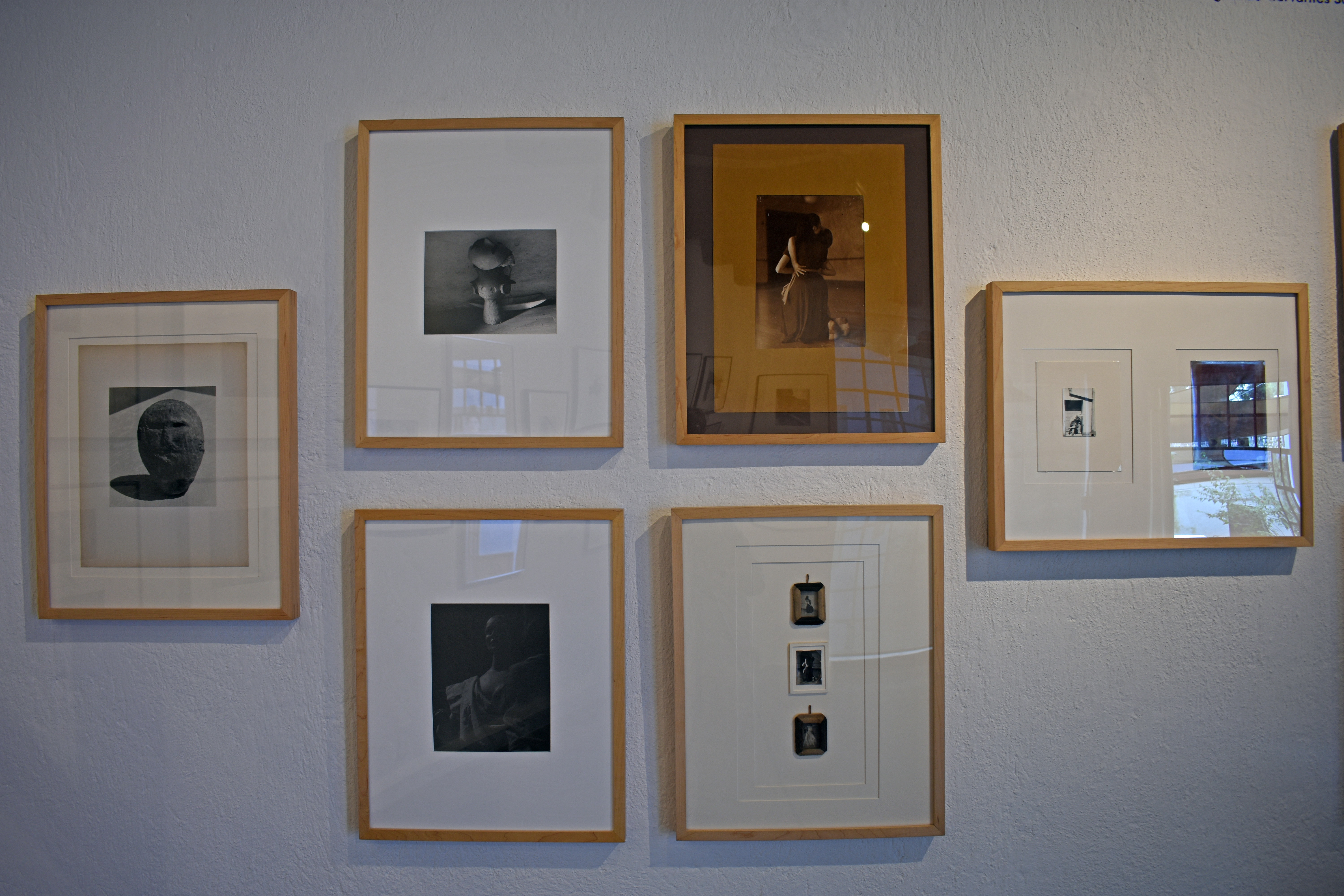
Gallery view of the exhibition “The Photographic Bizarrism of Manuel Álvarez Bravo”
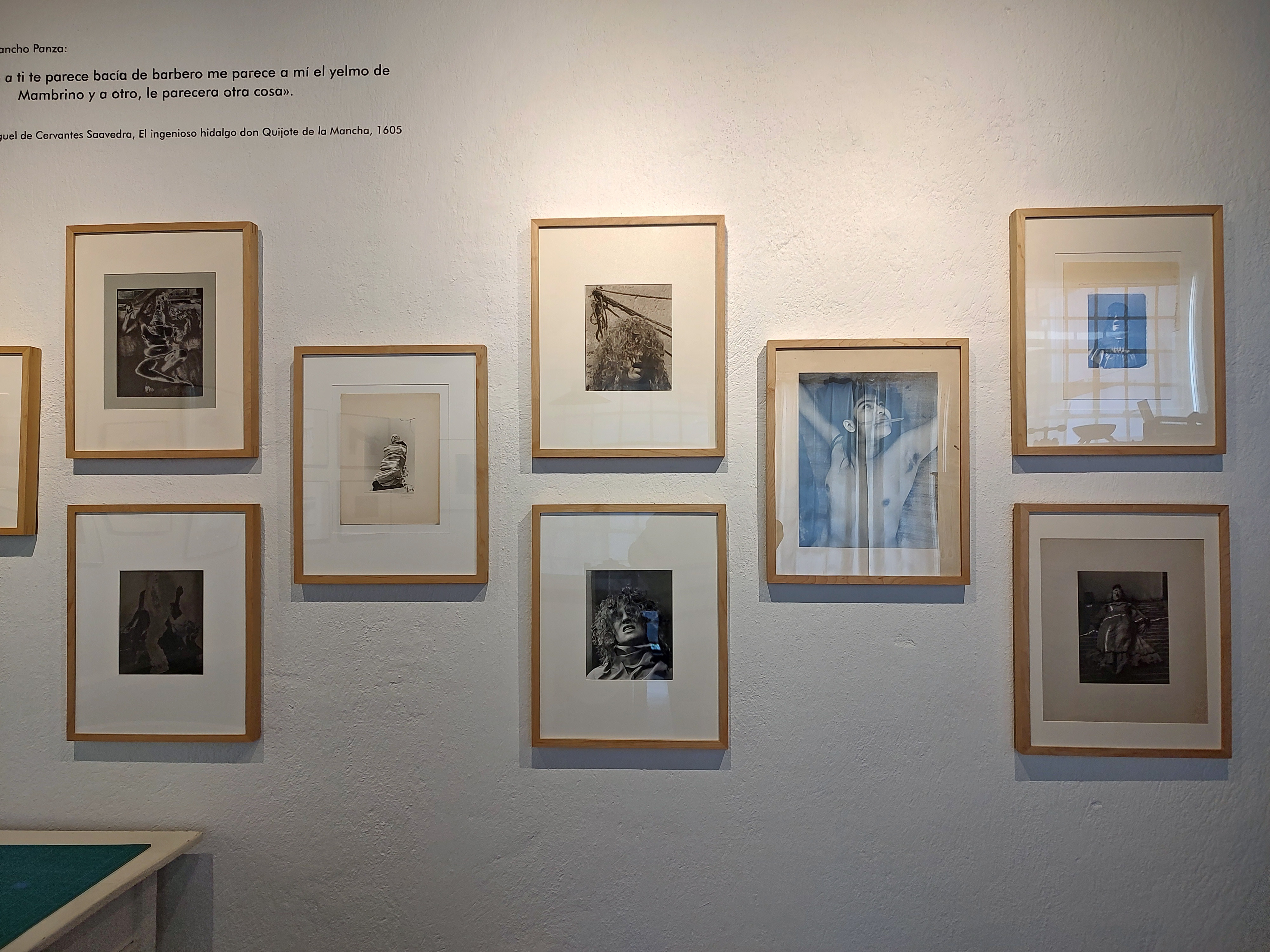
Gallery view of the exhibition “The Photographic Bizarrism of Manuel Álvarez Bravo”
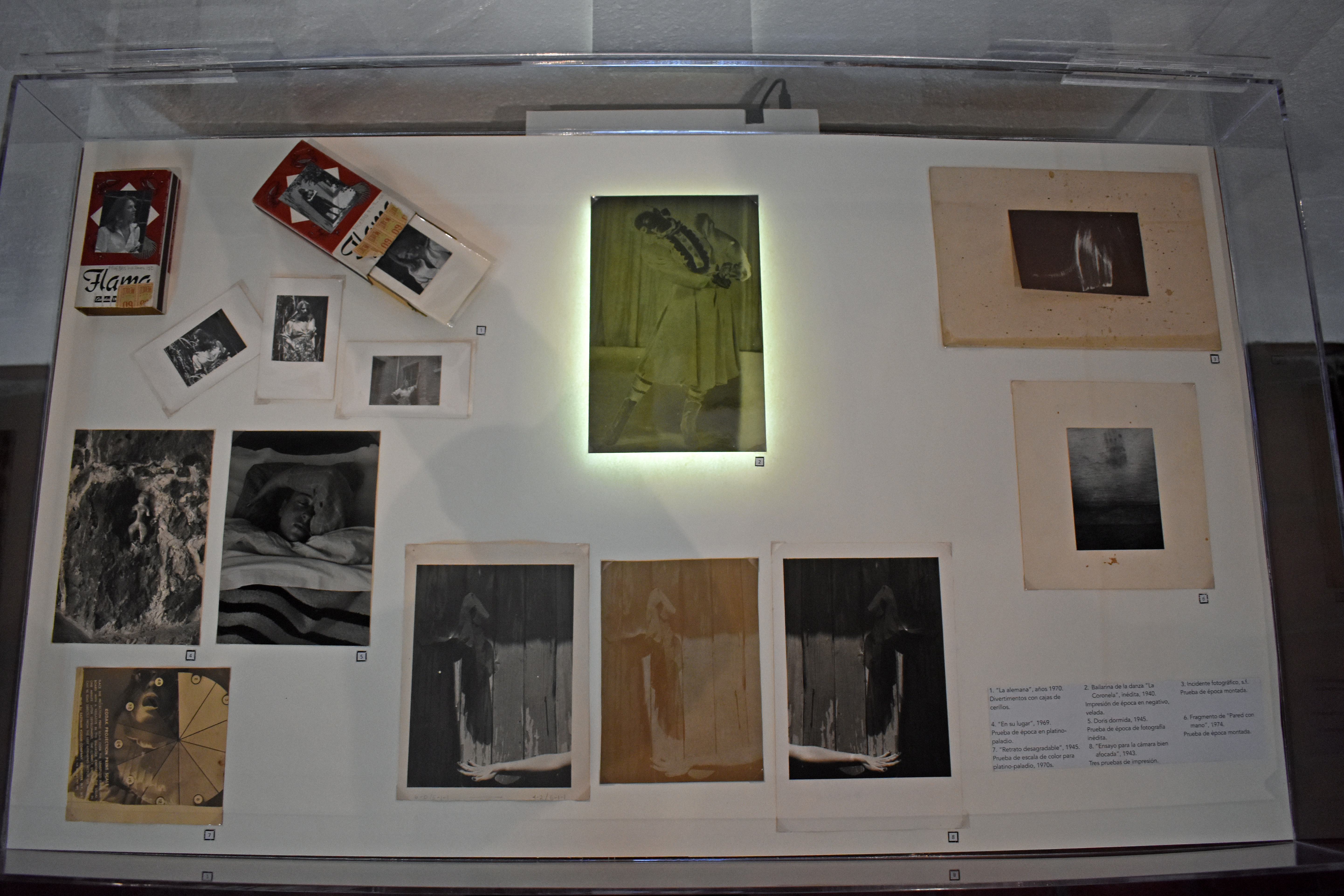
Gallery view of the exhibition “The Photographic Bizarrism of Manuel Álvarez Bravo”
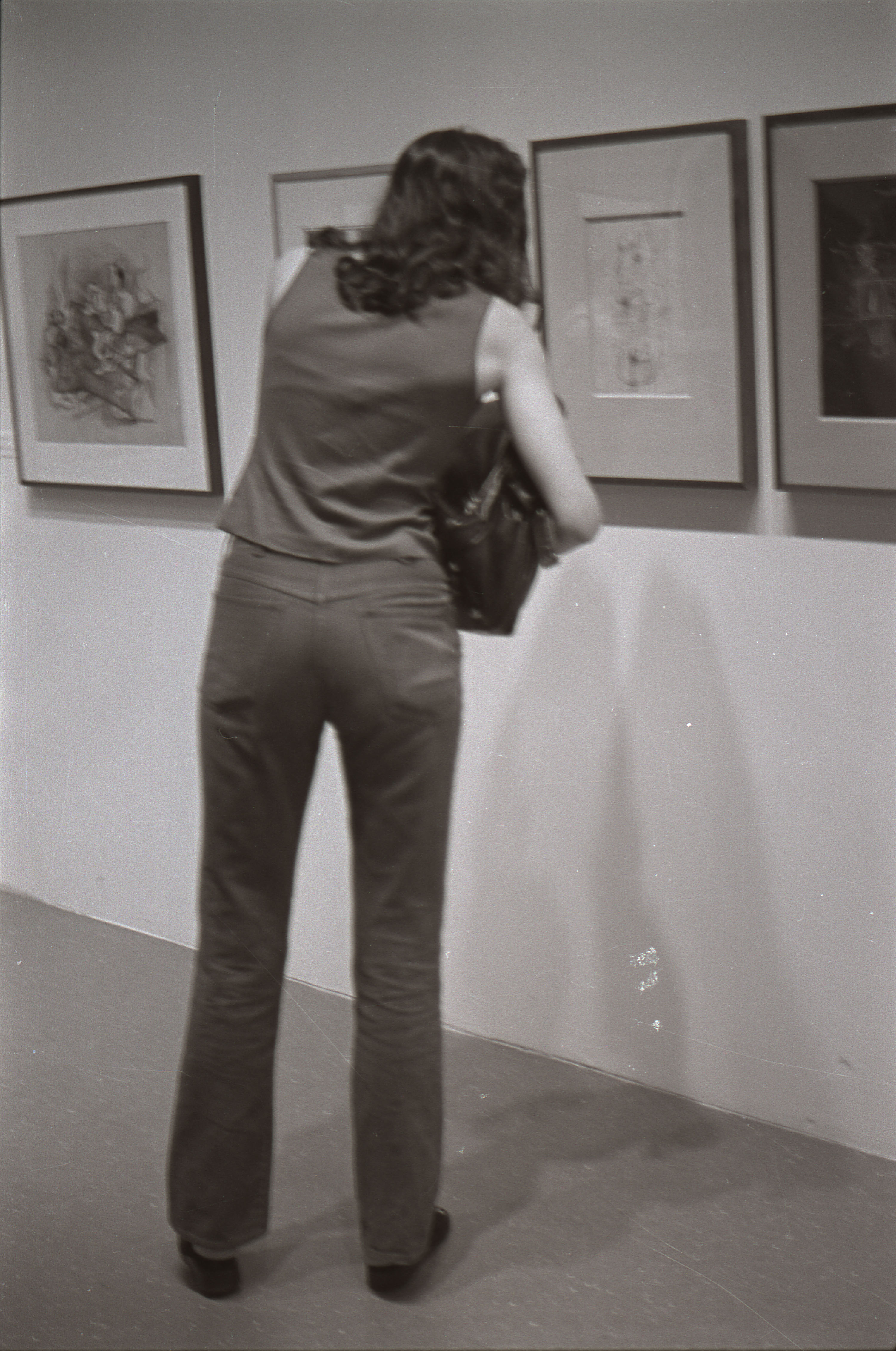
Cat. 07807, [Woman in an exhibition]
New York, USA, ca. 1978, Silver/gelatine Vintage contact printing
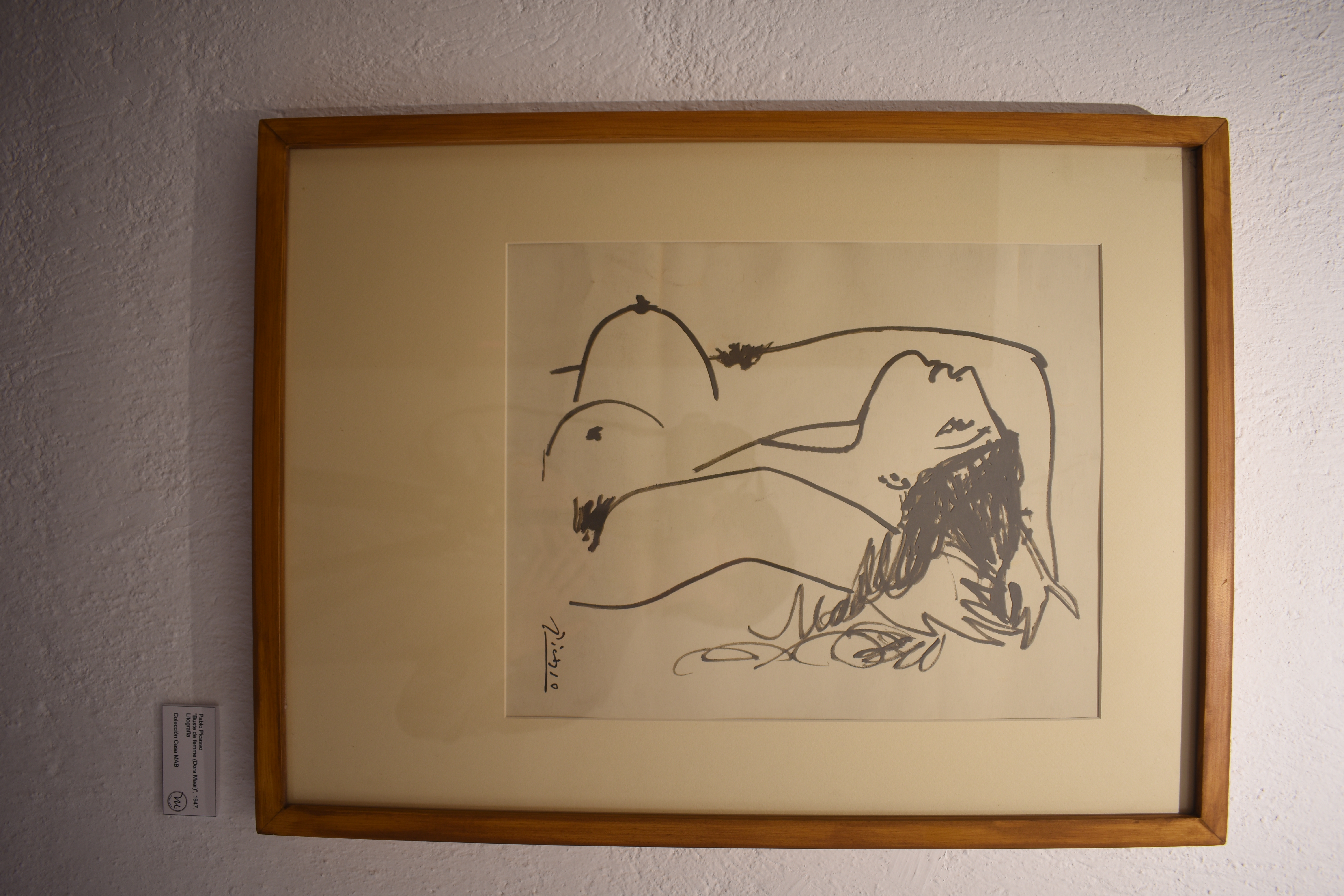
Bust
Pablo Picaso, 1947 Lithography MAB House Colletion
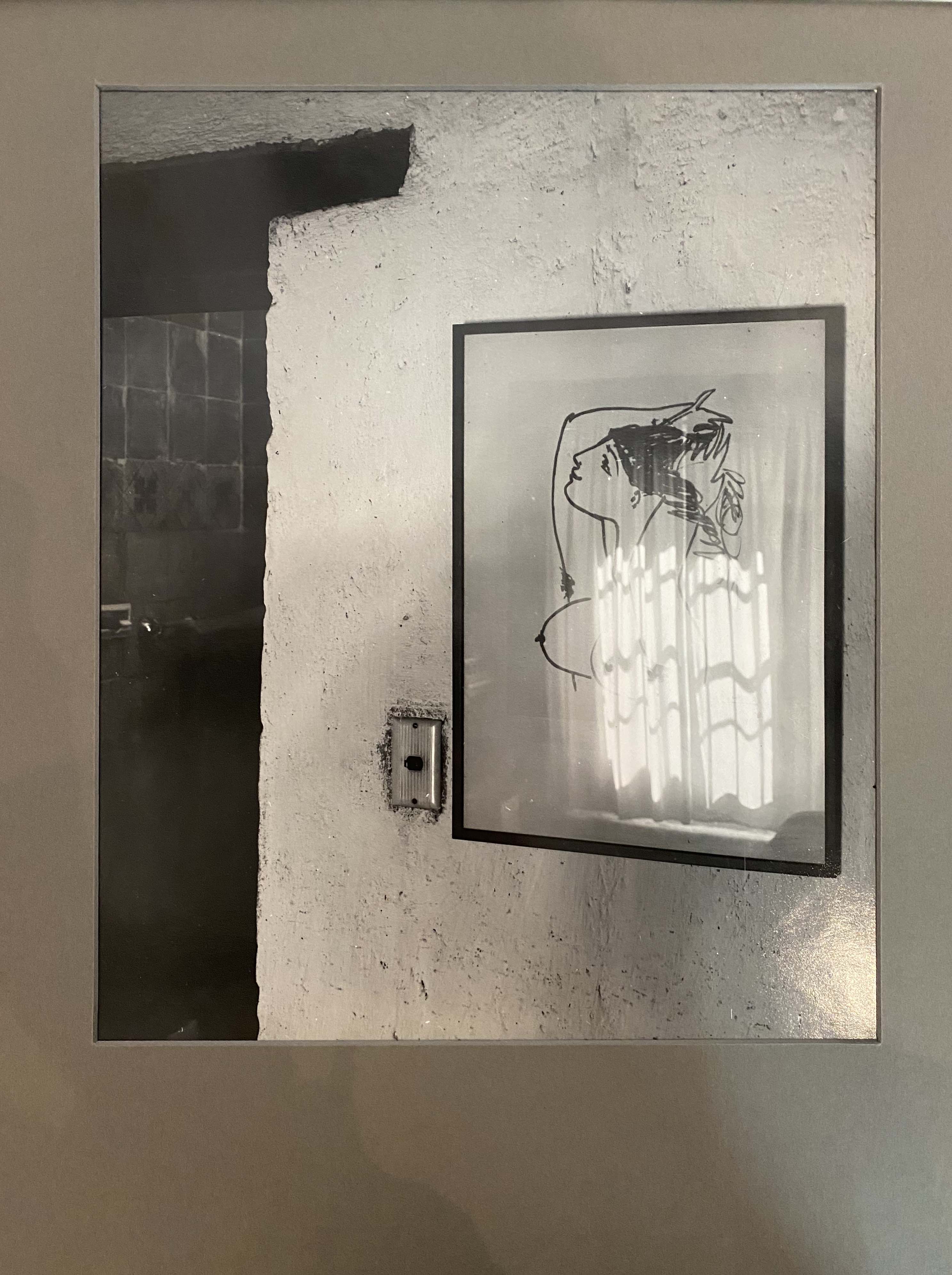
Cat. 23287, [Picasso’s lithography in Manuel Álvarez Bravo’s bedroom]
Manuel Álvarez Bravo, Coyoacán, México, 1970’s Silver/gelatine Vintage print, dry mounting,
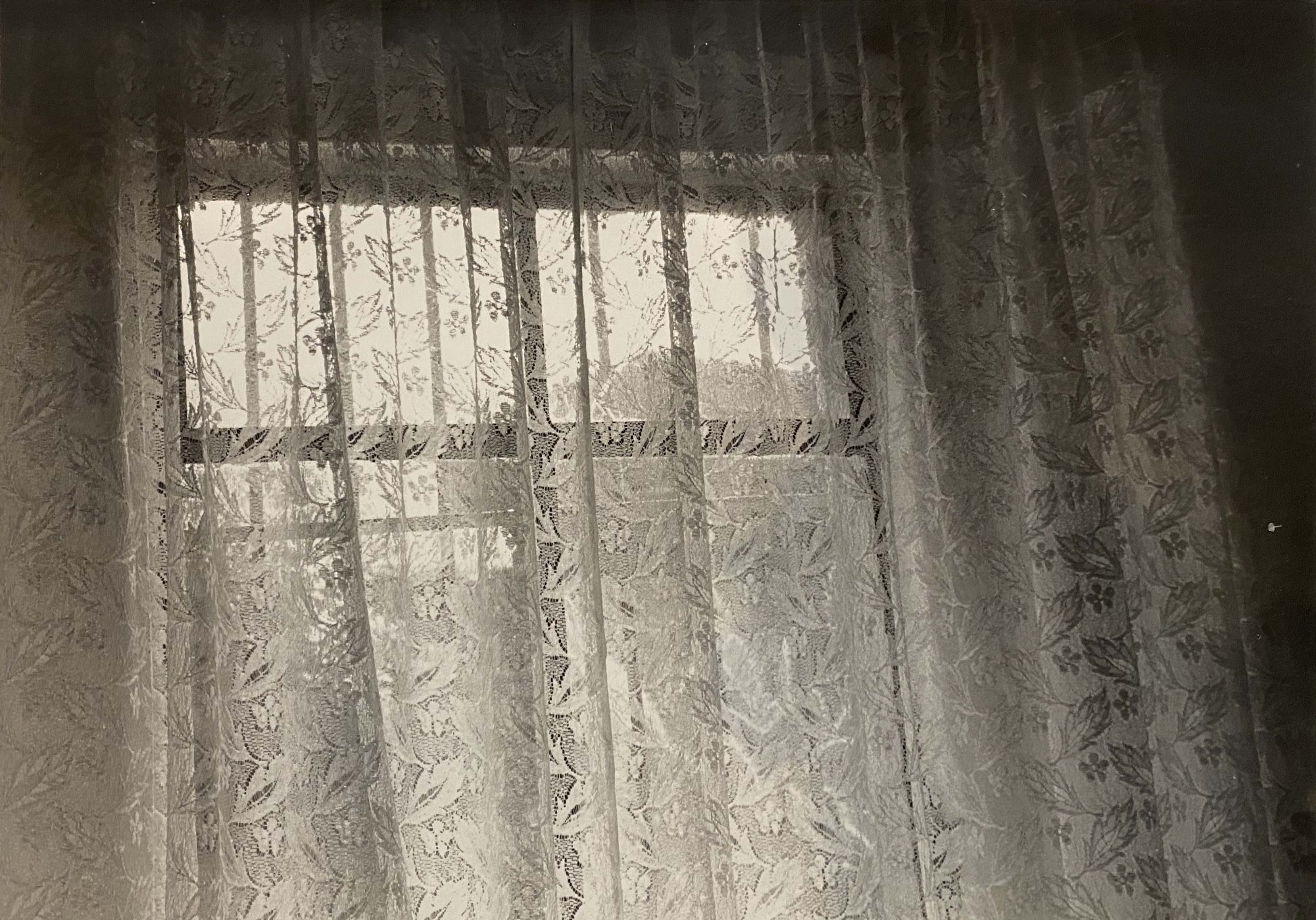
Cat. 12854, [Dinnig room courtain]
Manuel Álvarez BRavo, Coyoacan, Mexico, 1995 Silver/gelatine Vintage print (unique copy) Unplished Signed
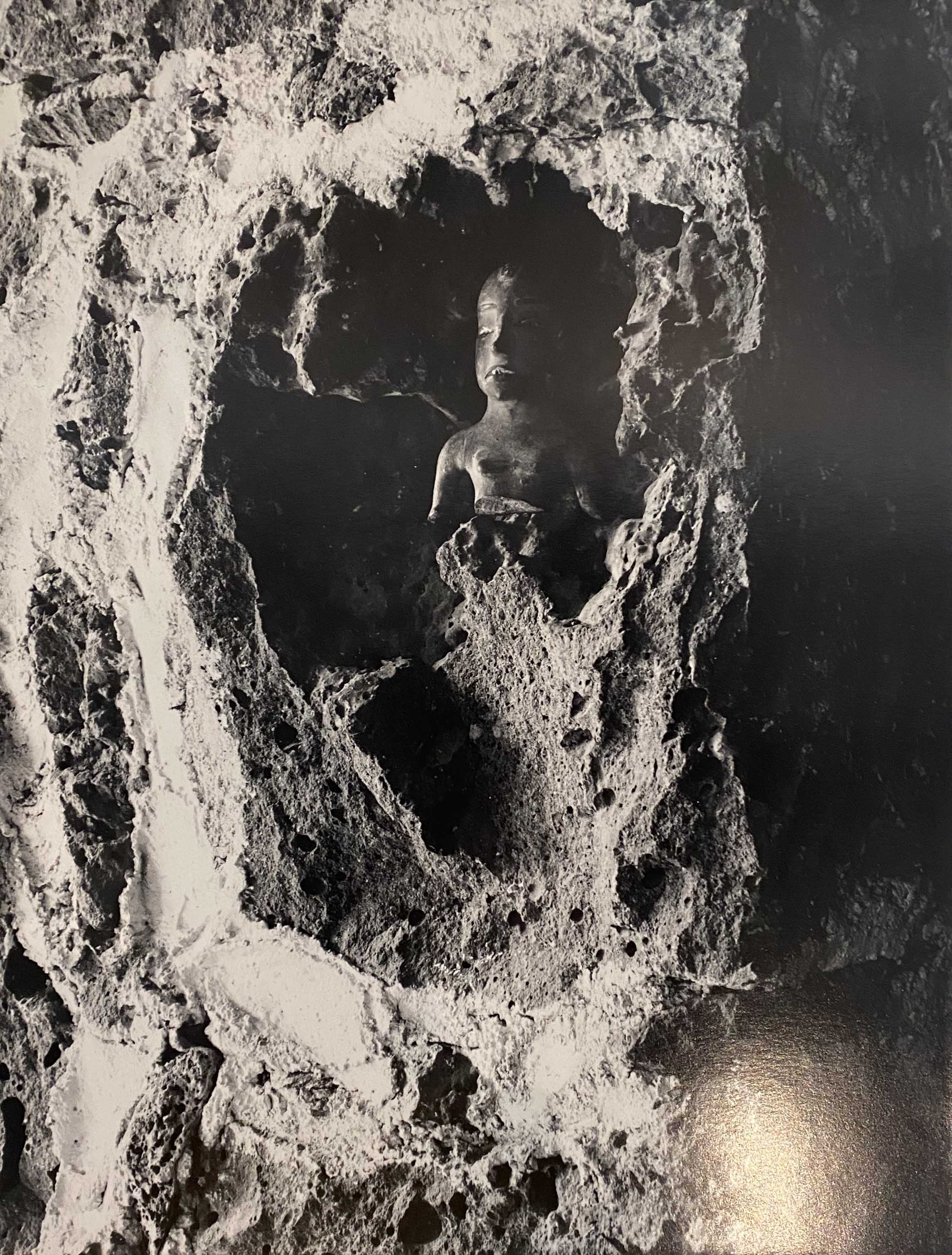
Cat. 23494, [Figurine in the wall]
Manuel Álvarez BRavo, Coyoacan, Mexico, 1969 Silver/gelatine Vintage print Unplublished
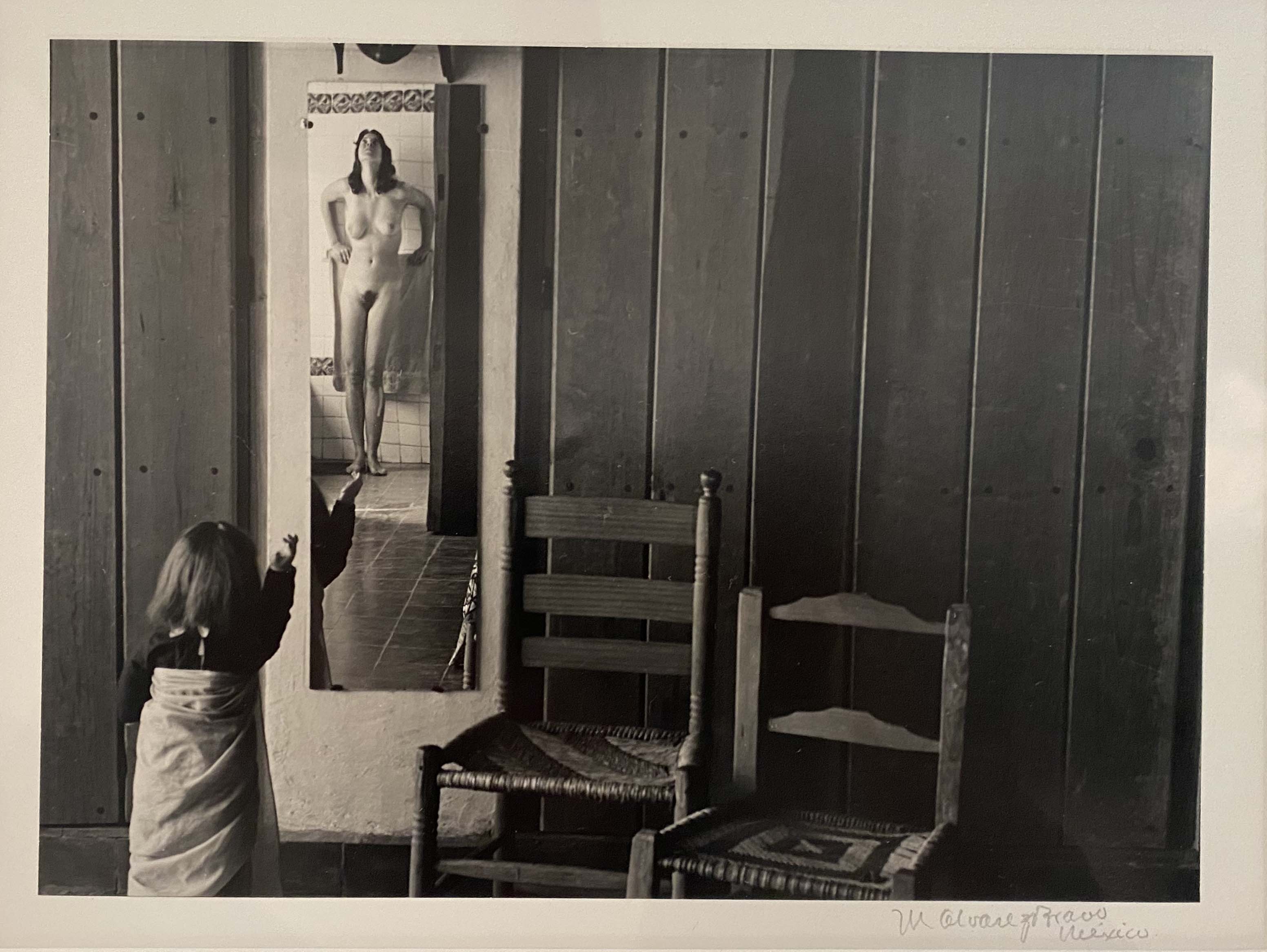
Cat. 16784, “Casa de muñecas” [Doll house]
Manuel Álvarez Bravo, Coyoacan, Mexico, 1978 Other title: “Las sillas vacías” [The empty chairs] Silver/gelatine Vintage print Published
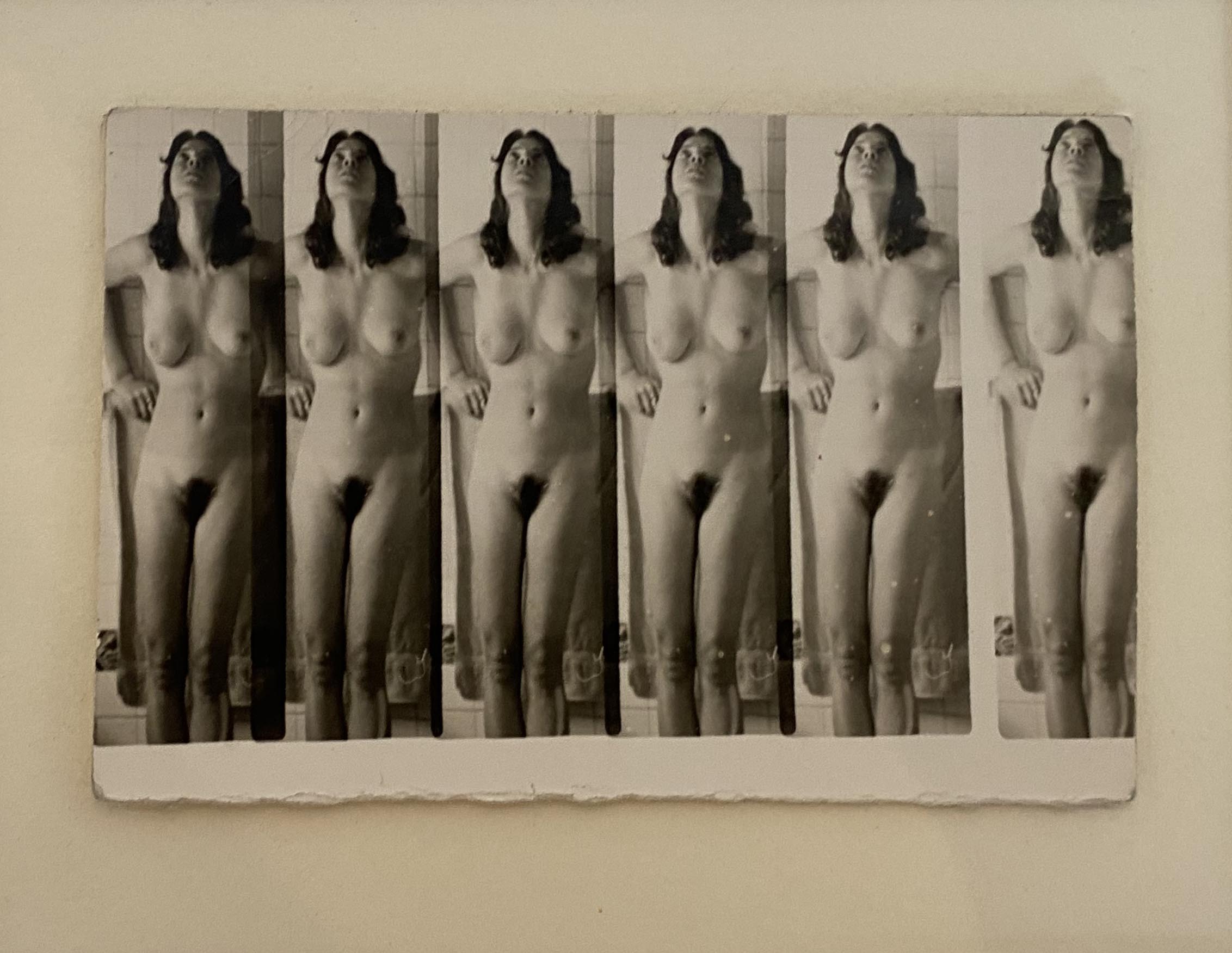
Cat. 16784, [From: Doll house]
Manuel Álvarez Bravo, Coyoacan, Mexico, 1978 Silver/gelatine Unique print Composition and mountig by MAB

Cat. 24072, “Ruina de ruinas (Homenaje a Benjamin Péret)” [Ruin of ruins (Tribute to Benjamin Péret)]
Manuel Álvarez Bravo, México, 1930. Silver/gelatine Vintage print, published Signed on the mount

Cat. 21881, “Ruina” [Ruin]
Manuel Álvarez Bravo,Puebla, México, 1930. Silver/gelatine Vintage print, published.

Cat. 18376, “Carrizo y tele” [Reed and TV]
Manuel Álvarez Bravo, Mexico City, 1976. Silver/gelatine Vintage print, published. Dry mounting

Cat. 22782, “Mano que da” [Giving hand]
Manuel Álvarez Bravo, Mexico City, 1940. Other title: “Flor y anillo” [Flower and hand] Silver/gelatine Photoframe Vintage print Signed

Without negative, (X-rays of a hand)
Manuel Álvarez Bravo, ca. 1940. Silver/gelatine Photoframe Unique vintage print

Cat. 13976, Scratched sign
Manuel Álvarez Bravo, ca. 1960. Silver/gelatine Unique print, unpublished. Dry mounting

Without negative, From: “Juegos de papel (pico)” [Papaer games (beak)]
Manuel Álvarez Bravo, Mexico City, 1927. Silver/gelatine Unique vintage print

Cat. 08961, From the series: “En un pequeño espacio (Sábanas tendidas)” [In a samll space (hanging sheets)
Manuel Álvarez Bravo, Coyoacán, Mexico City, 1995-97. Platinum-palladium Unpublished

Cat. 03003, (Stairs and plastic courtains)
Manuel Álvarez Bravo, San Román, Tabasco, february 1987. Silver/gelatine Unique vintage print, unpublished. Signed

Cat. 31122, “Memories of a tomb”
Manuel Álvarez Bravo, Calixtlahuaca, Estado de México 1965 Silver/gelatine Signed

Cat. 23749, “Arena y pinitos” [Sand and small pines]
Manuel Álvarez Bravo, 1920’s. Silver/gelatine Vintage print Signed

Cat.05665 “Ramificado” [Branched] (Polished glass that MAB used for collotype)
Manuel Álvarez Bravo, 1965 Silver/gelatine Vintage print Signed

Without negative, (Reflections in a glass)
Manuel Álvarez Bravo, 1920’s Silver/gelatine Unique vintage print, unpublished. Early signature Mounted by MAB

Without negative, (Monolith)
Manuel Álvarez Bravo, 1920’s Silver/gelatine Unique vintage print, unpublished. Dry mounting

Cat. 27536, (Mask and mud object)
Manuel Álvarez Bravo, 1930’s Silver/gelatine Unique vintage print, unpublished Unsigned

Without negative, From: “Clase de costura” [Sewing class]
Manuel Álvarez Bravo, 1930’s Silver/gelatine Unique vintage print, unpublished. Signed

Cat. 23979, “Ensayo de danza” [Dance rehersal]
Manuel Álvarez Bravo, Mexico City, 1945. Silver/gelatine Signed on the back Mount by MAB

Cat. 35405, From: “Ensayo de danza” [Dance rehersal]
Manuel Álvarez Bravo, Mexico City, 1945 Silver/gelatine Unique vintage print, unpublished. Framed by MAB
Cat. 23979, “Ensayo de danza” [Dance rehersal]
Manuel Álvarez Bravo, Mexico City, 1945 Silver/gelatine Vintage print

Without Negative, From: “Ensayo de danza” [Dance rehearsal]
Manuel Álvarez Bravo, Mexico City, 1945 Silver/gelatine Unique vintage print, unpublished. Framed by MAB

Cat. 35902, From: “La desvendada” [The unveiled one]
Manuel Álvarez Bravo, Historic downtown, 1938 Printed out paper (POP) Inscriptions on the reverse: neg 2 60 AH

Cat. 21907, From: “La desvendada” [The unveiled one]
Centro Histórico, Mexico City 1938 Silver/gelatine Vintage contact print Unsigned

Cat. 2642, (Model with shawl and thread)
Manuel Álvarez Bravo, 1960’s Silver/gelatine Solarized vintage print, unique and unpublished. Unsigned Mount by MAB

Cat. 26426, (Woman with black scarf)
Manuel Álvarez Bravo, 1960’s Silver/gelatine Solarized vintage print, unique and unpublished. Unsigned

Cat. 12213, (Bandaged statue)
Manuel Álvarez Bravo, 1970’s Silver/gelatine Signed on the front of the mount

Cat. 35771, “Con mecates” [With ropes]
Manuel Álvarez Bravo, 1940’s Platinum-palladium

Cat. 35772, (With hair on the face)
Manuel Álvarez Bravo, 1950’s Silver/gelatine Unpublished Inscripción sobre la guarda: “Las dolorosas”

Cat. 26795, (Nude with comb)
Manuel Álvarez Bravo, 1950’s Silver/gelatine Vintage print Mounting by MAB

Cat. 24285, (Detail of “Unpleasant protrait”)
Manuel Álvarez Bravo, Mexico City, 1945 Platinotype Mounted on a folder by MAB Inscripciones al reverso: 12-10/16-8 2:00 2:5

Cat. 35773, From: “A la mañana siguiente” [The next morning]
Manuel Álvarez Bravo, Ciudad de México, 1945 Silver/gelatine No signature

“Manuel Álvarez Bravo in his study”
Oweena Fogarty, Coyoacán, Ciudad de México, 1990’s Silver/gelatine
“Visions of Mexico and the Netherlands. Manuel Álvarez Bravo | Bob Schalkwijk.” May–August 2025
The Manuel Álvarez Bravo House-Archive is honored to host the work of Bob Schalkwijk, a Dutch photographer who has made Mexico his home since the late 1950s. His first trip to Ajijic, Jalisco, in 1958 marked the beginning of a deep bond with our country, one that was consolidated with his subsequent settlement in Mexico City.
Almost in parallel, in September 1959, Manuel Álvarez Bravo made his first trip to the Netherlands, accompanied by Leopoldo Méndez and Rafael Carrillo. His mission was to supervise the editing and printing of the book Pintura Mural de la Revolución Mexicana, published by the Fondo Editorial de la Plástica Mexicana. Although brief, his stay in the city of Haarlem left a significant mark on his work, revealing his sense of wonder and curiosity toward an unfamiliar environment that, in its singularity, nonetheless maintained subtle resonances with Mexico.
In 1971, Schalkwijk was invited by Mariana Yampolsky to collaborate with eight photographs for the book Lo efímero y eterno del arte popular mexicano, also published by the FEPM. The photographic direction of the project was overseen by Álvarez Bravo, fostering a visual dialogue between the two photographers. Over the years, Schalkwijk has tirelessly documented the landscapes, faces, and traditions of Mexico, building a body of work that not only broadens our understanding of cultures, but also revalues the role of the outsider’s gaze—a gaze that, in approaching the other, ultimately becomes part of it.
Like Álvarez Bravo, Schalkwijk has witnessed the country’s many transformations. His photographic archive is an invaluable testimony to the cultural richness of Mexico and its peoples. Both photographers share a profound sensitivity toward the documentation of popular traditions, approaching their work from a humanistic perspective.
Visions of Mexico and the Netherlands celebrates the encounter between two countries through the lenses of both creators, whose works have helped strengthen the ties between their respective cultures while exploring the identities that define them.
This exhibition is also a celebration. As an active archive, we are delighted to foster this dialogue between two significant artistic trajectories and to pay tribute to the career of Bob Schalkwijk—a Dutchman who, through his camera, has expressed a constant admiration for our land. We hope that this exhibition will further strengthen the cultural bridge built by both photographers between Mexico and the Netherlands.

Gallery view of the exhibition “Visions of Mexico and the Netherlands. Manuel Álvarez Bravo | Bob Schalkwijk.”

Gallery view of the exhibition “Visions of Mexico and the Netherlands. Manuel Álvarez Bravo | Bob Schalkwijk.”

Gallery view of the exhibition “Visions of Mexico and the Netherlands. Manuel Álvarez Bravo | Bob Schalkwijk.”

“Homenaje a Monet” [Tribute to Monet]
Manuel Álvarez Bravo, Netherlands, 1960’s

“Dos muchachas con paletas” [Two girls with lolipops]
Manuel Álvarez Bravo, Netherlands, 1969-60
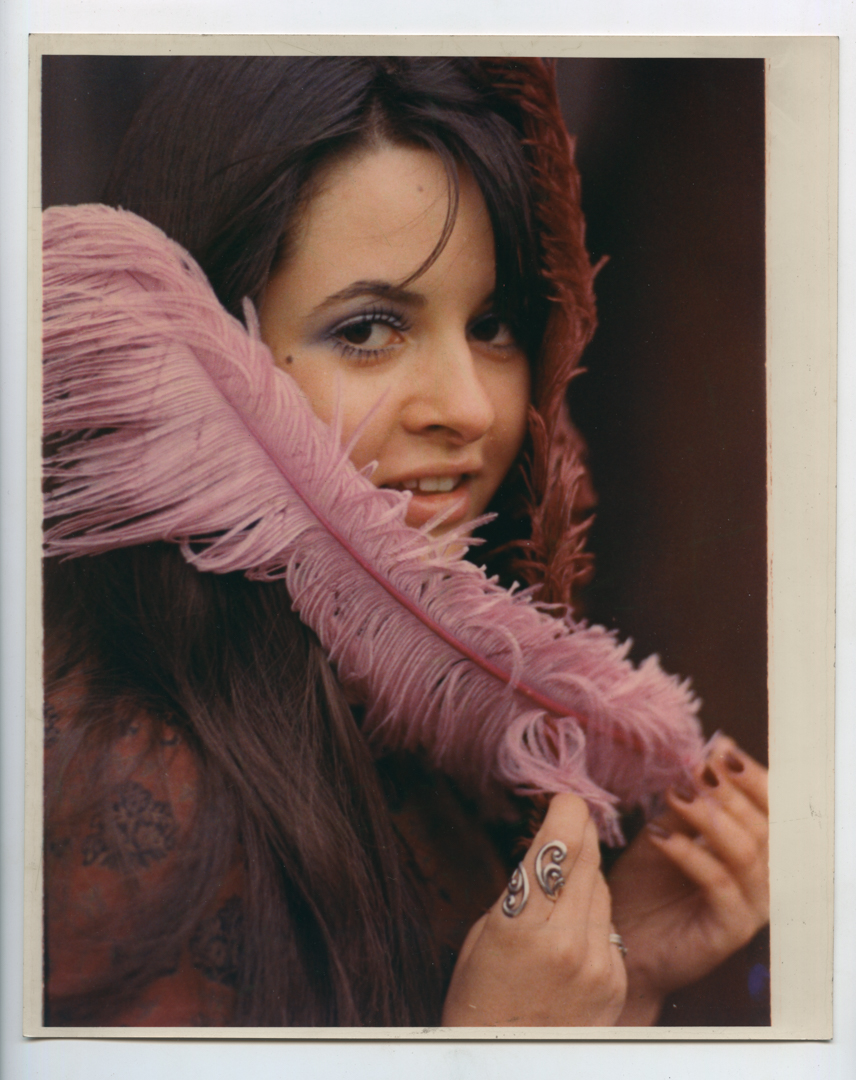
“Jacquie Segovia”
Bob Schalkwijk Mexico City 1972 Chromogenic vintage print
unamed
Bob Schalkwijk Cuernavaca, Morelos 1986 Chromogenic vintage print

“Andante, señal de tránsito en la neblina” [Walking man, transit signal in the fog]
Manuel Álvarez Bravo, Netherlands, s/f, silver/gelatine

“Ciclista en la neblina” [Cyclist in the fog]
Manuel Álvarez Bravo, Netherlands, s/f, silver/gelatine

“Molino de viento, Holanda” [Windmill, Netherlands]
Manuel Álvarez Bravo, Netherlands, 1959-60, silver/gelatine
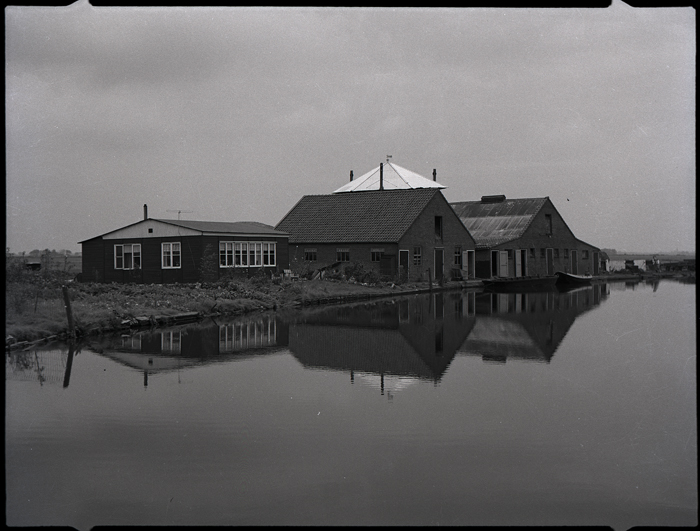
“A house reflected in the Oude Gracht”
Manuel Álvarez Bravo 1959-1960 Silver/gelatine
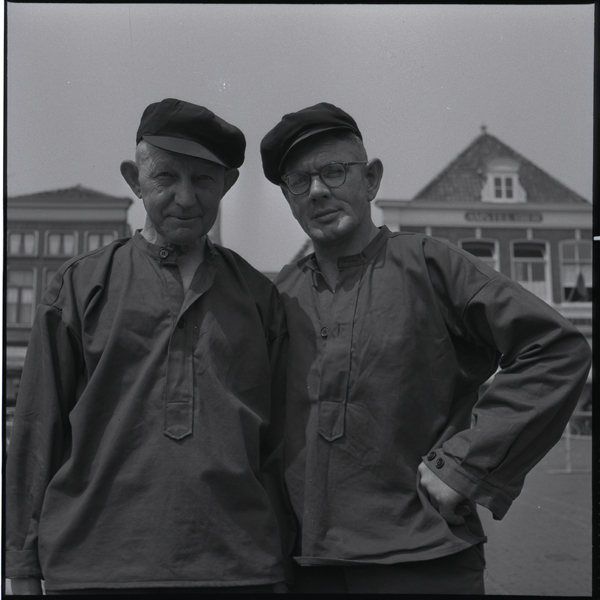
“Cheese sellers”
Manuel Álvarez Bravo 1959-1960 Silver/gelatine
“The dutch man”
Manuel Álvarez Bravo 1959-1960 Silver/gelatine
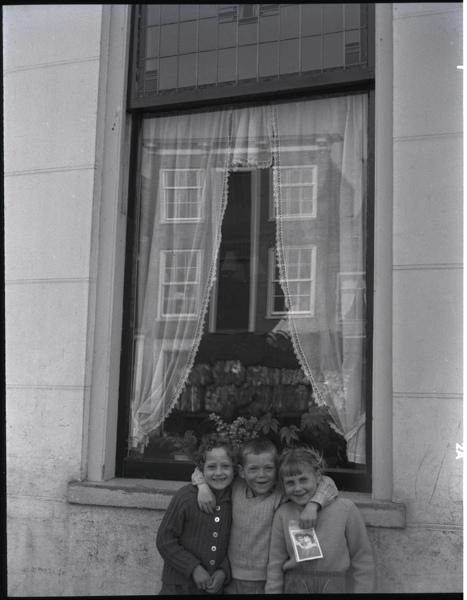
“Friends with reflex”
Manuel Álvarez Bravo 1959-1960 Silver/gelatine

“Girl playing with her head to the ground”
Manuel Álvarez Bravo 1959-1960 Silver/gelatine

“Four boys with their bikes”
Manuel Álvarez Bravo 1959-1960 Silver/gelatine
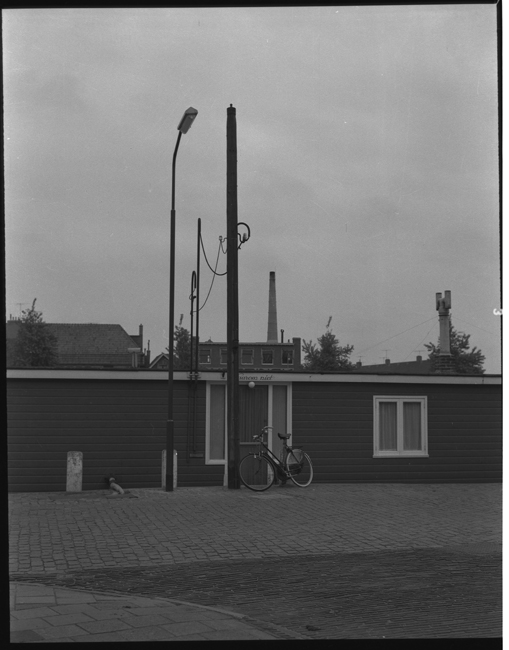
“The bicycle in front of the door”
Manuel Álvarez Bravo 1959-1960 Silver/gelatine

“Room on the canals and dog”
Manuel Álvarez Bravo 1959-1960 Silver/gelatine
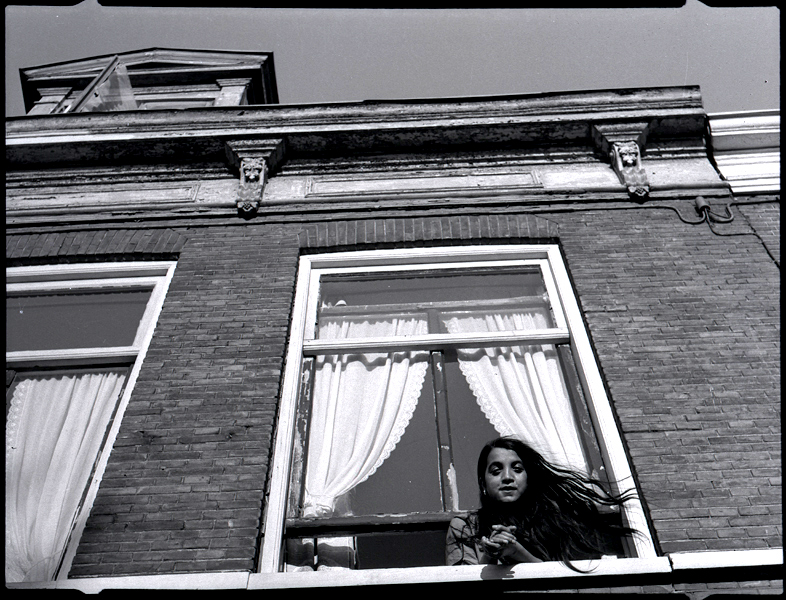
“A girl on her window”
Manuel Álvarez Bravo 1959-1960 Silver/gelatine
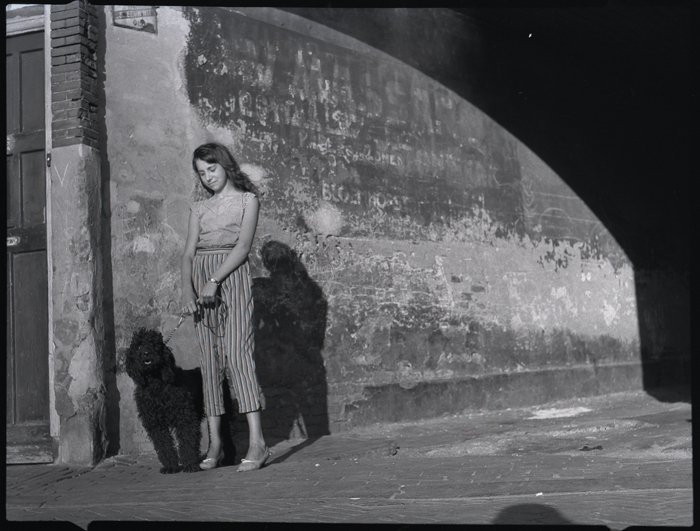
“To walk the dog”
Manuel Álvarez Bravo 1959-1960 Silver/gelatine

“Torito to celebrate the day of the Virgen of Guadalupe”
Bob Schalkwijk Barrio de La Concepción, Coyoacán, Ciudad de México December 12, 1953 Silver/gelatine

“Patronal festival of San Martín Caballero”
Bob Schalkwijk San Martín, Huixquilucan de Degollado, Estado de México January, 1961 Silver/gelatine
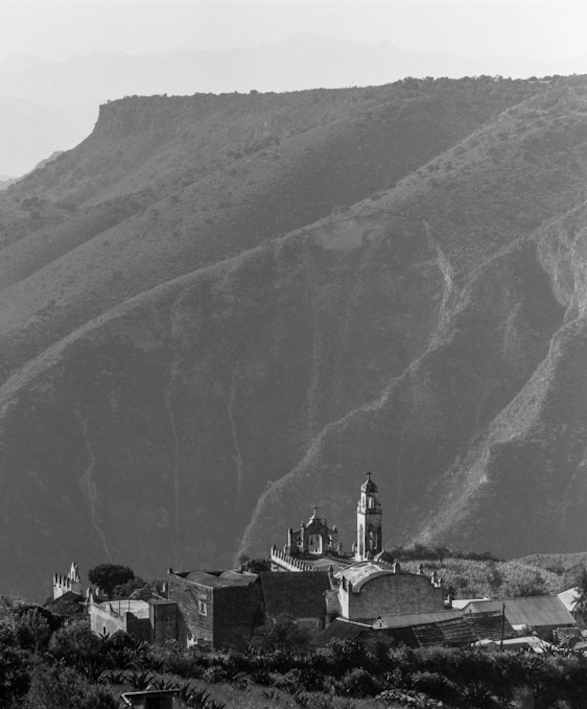
Bob Schalkwijk Zoquizoquipan, Hidalgo November, 1966 Silver/gelatine
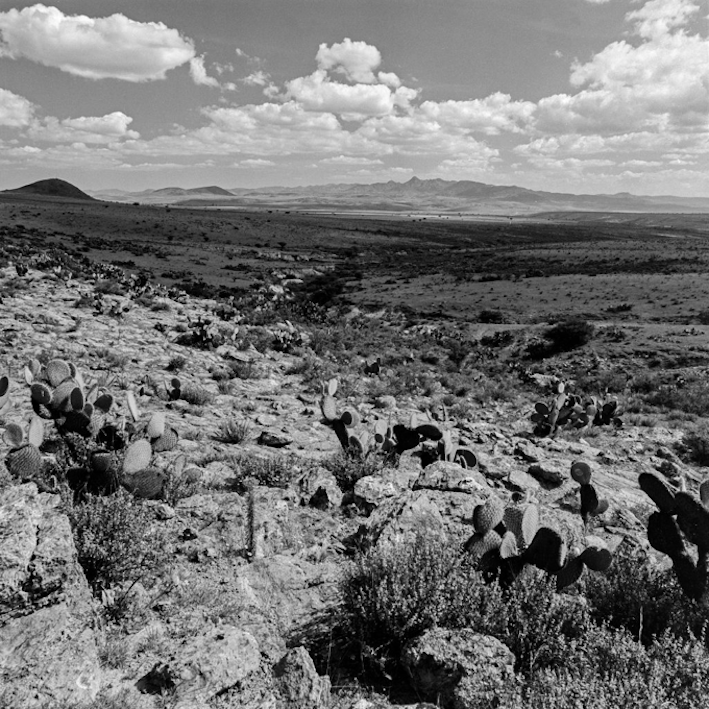
Bob Schalkwijk Camino Real de Tierra Adentro Nombre de Dios, Durango September, 1972 Silver/gelatine
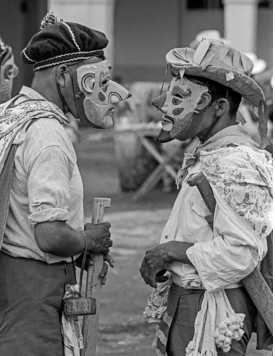
“Dance of the Santiagos”
Bob Schalkwijk Huahuaxtla, Puebla September, 1961 Silver/gelatine
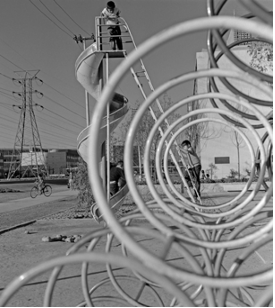
“Urban complex Nonoalco Tlatelolco”
Bob Schalkwijk Mexico City January, 1964 Silver/gelatine

“Flowers market”
Bob Schalkwijk San Ángel, Mexico City 1964 Silver/gelatine

“Children’s party in Tizapán”
Bob Schalkwijk Mexico City 1963 Silver/gelatine

“Walkers in the neighborhood of La Concepción”
Bob Schalkwijk Coyoacán, Mexico City May, 1963 Silver/gelatine
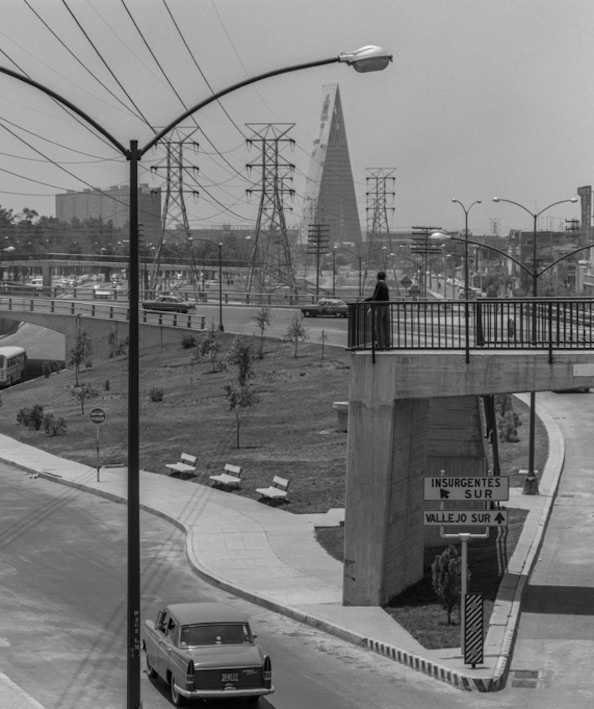
“Avenida Insurgentes Norte and Circuito Interior”
Bob Schalkwijk Mexico City April, 1964 Silver/gelatine
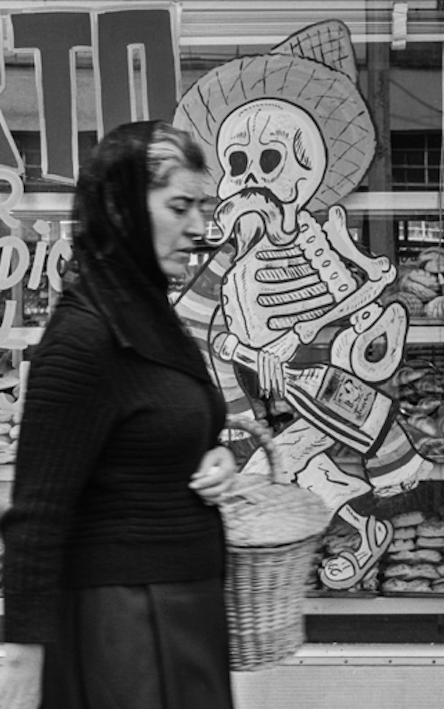
“Bakery in Portales neighborhood”
Bob Schalkwijk Mexico City October 30th, 1963 Silver/gelatine
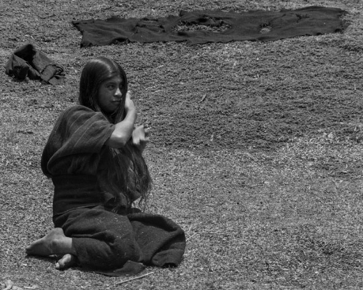
“Young tzotzil combing her hair”
Bob Schalkwijk San Juan Chamula, Chiapas April 16th 1960 Silver/gelatine
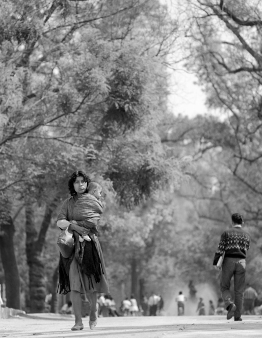
“Alameda Central”
Bob Schalkwijk Mexico City February 1964 Silver/gelatine
“Know Thyself, or the Discovery in the Everyday. Manuel Álvarez Bravo | Javier Silva.” February–April 2025
In his book The Hand of Good Fortune, Goran Petrović warns that there are things that can never be found if they remain forever in the same place. In the same way, an archive must be in motion, must have an outlet that accounts for the materials it safeguards, so as not to lose them in the drawer of their well-intentioned classification. One of the guiding principles of the Manuel Álvarez Bravo House-Archive is to give visibility to little-known, forgotten, and unpublished materials by the Mexican photographer, as well as to exhibit and promote young photographers who reflect on the influence and impact that this centenarian photographer has had on them.
Javier Silva is driven by an urgent need to record his daily life in order to discover within it the unusual. In chance places he finds witnesses that speak of his passage through the world and of the implications of knowing oneself through the images he captures. His work reflects an anecdotal impulse, a kind of urgency in the face of memory and its preservation while it is guarded by the present.
Javier Silva’s photography is a constant exercise in introspection. In recent years, his work has revolved around gloom, the importance of maintaining a personal archive, and the beauty that can be found in everyday life. Photography is also the instrument he has chosen to translate his train of thought and to overcome the fear of being devoured by the darkness accumulated behind memories.
Manuel Álvarez Bravo goes in pursuit of discovery—of that which gives meaning and form to all the creative impulses that spring from his inexhaustible sources of inspiration. This pursuit became a perpetual documentation of everyday life over the years.
The cataloguing and study of his archive have made it possible to uncover works that reveal his profound knowledge of his surroundings, his connection with objects and the places they inhabit, his understanding of states of light, and the singular way in which he transformed the everyday into a unique moment, exclusive to his gaze.
The coincidences found between Álvarez Bravo and Silva Pérez are nothing more than references acquired within a visual culture that reaffirms that MAB’s work is embedded in the collective memory of countless generations of photographic artists, who find in his oeuvre a refuge for their personal inquiries.
The group of images that make up this exhibition are signs of a desire to perpetuate the beauty of discovery, to give space to the everyday in order to allow the unusual to enter.
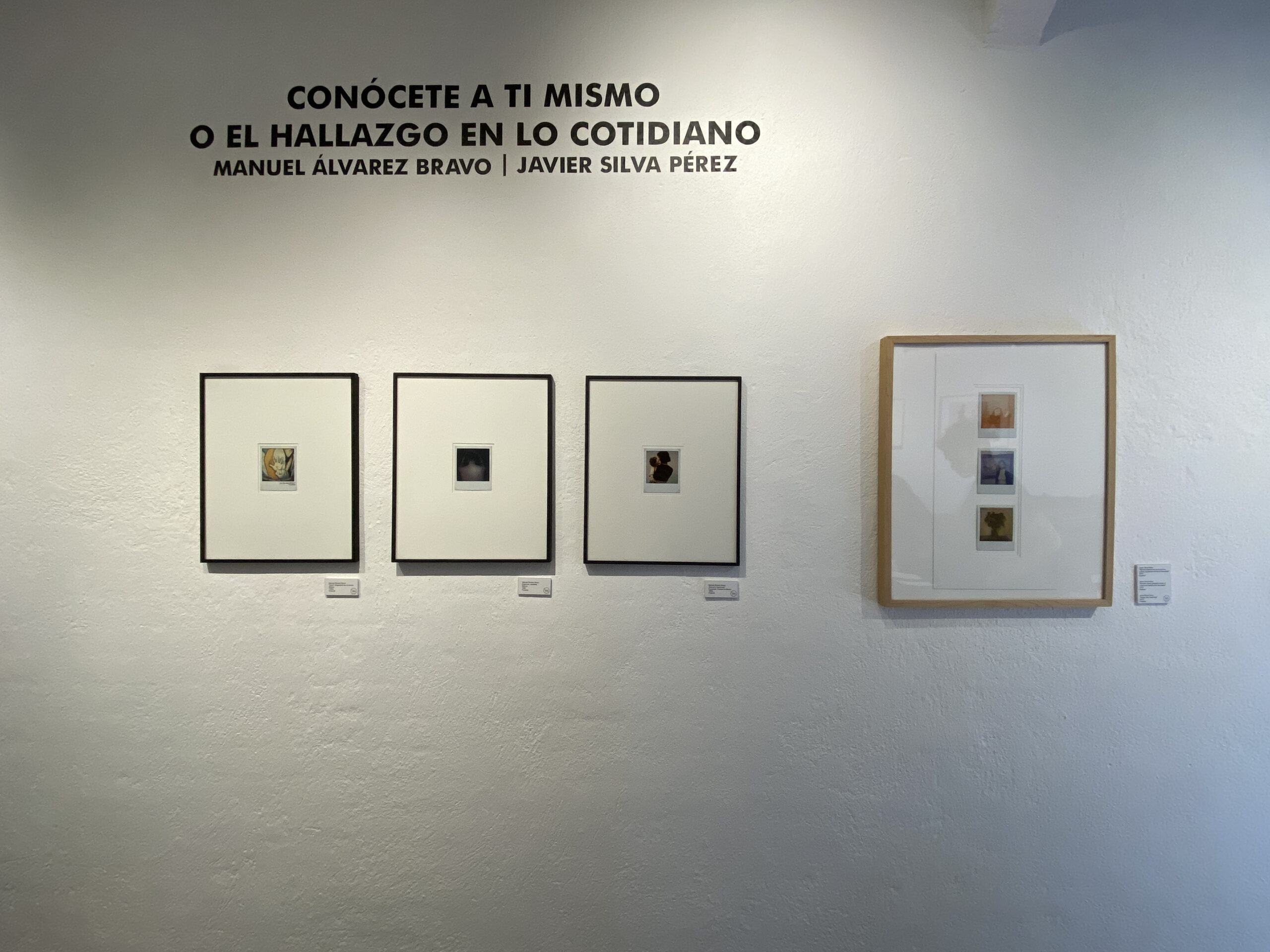
Museum room of the exhibition “Known thyself or the Discovery in the Everyday. Manuel Álvarez Bravo | Javier Silva Pérez.”
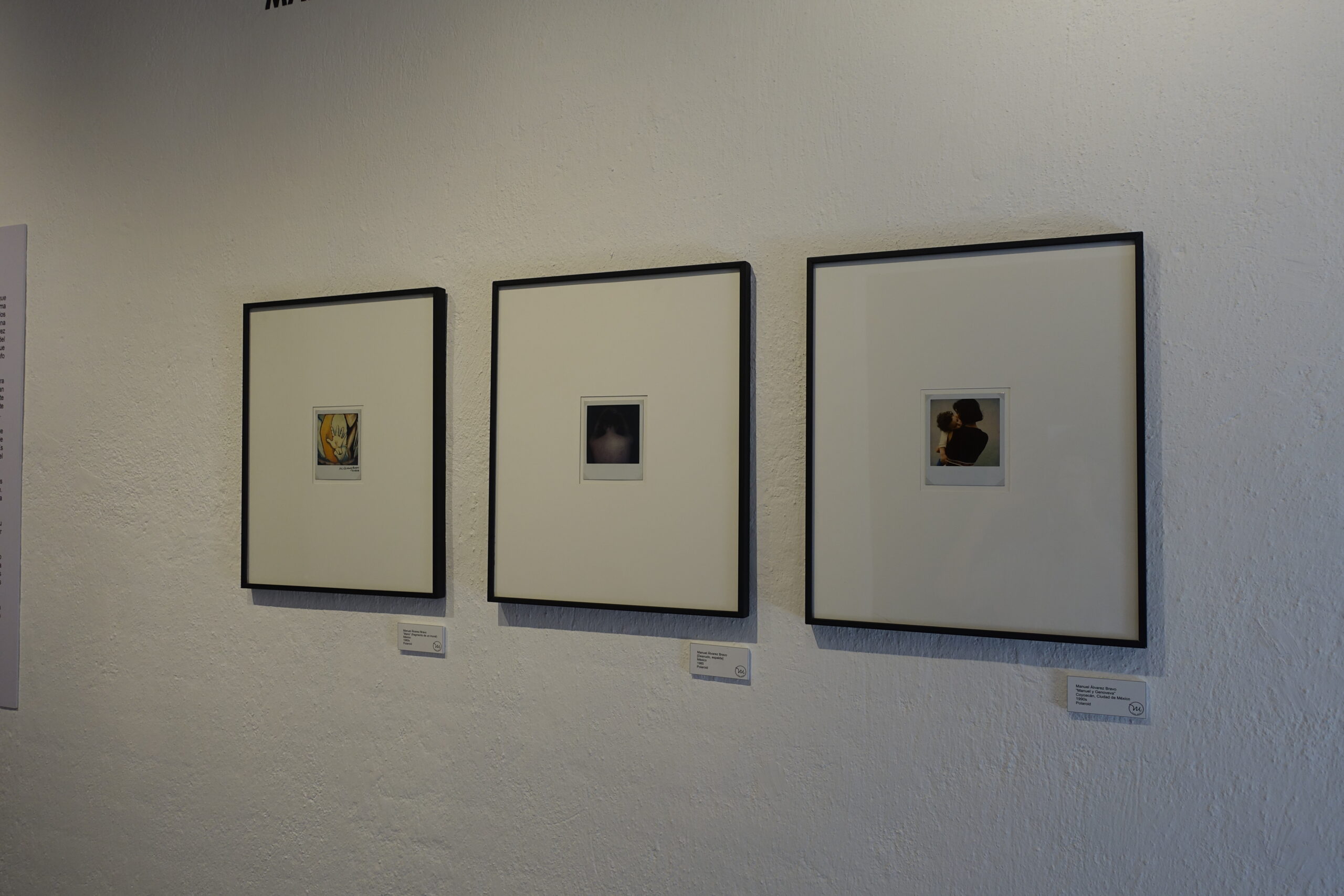
Museum room of the exhibition “Known thyself or the Discovery in the Everyday. Manuel Álvarez Bravo | Javier Silva Pérez.”

“Hand (mural fragment), 1980’s
Manuel Álvarez Bravo Mexico 1980s Polaroid

[nude, back]
Manuel Álvarez Bravo Mexico 1985 Polaroid

Manuel and Genoveva
Manuel Álvarez Bravo Coyoacán, Ciudad de México 1990s Polaroid

Mariana enjoying in the living room of our apartment in the Escandón
Javier Silva Pérez 2016 Polaroid

My beautiful mother posing in fornt of the horses painting of her parents
Javier Silva Pérez 2015 Polaroid

“Almost withered roses”
Javier Silva Pérez 2012 Polaroid

Lucrecia
Manuel Álvarez Bravo, Mexico City, 1942 – 1946 Silver/gelatine 11 x 14” (Contemporary print)

Estudio de árbol [Tree study]
Manuel Álvarez Bravo, Mexico City, 1930 Silver/gelatine 8 x 10” (Contemporary print)

Ensayo para la cámara bien afocada [Study for the well-focused camara]
Manuel Álvarez Bravo, Mexico City, 1943 Silver/gelatine 11 x 14” (Modern print)

Mechón [Lock]
Manuel Álvarez Bravo, Mexico City, ca. 1945 Silver/gelatine 8 x 10” (Modern print)

Carbón [Coal]
Manuel Álvarez Bravo, Mexico, 1930 Silver/gelatine 8 x 10” (Modern print)

Caracoles [Snails]
Manuel Álvarez Bravo, Mexico, 1930 Silver/gelatine 8 x 10” (Modern print)

La gran interrogación [The great interrogation]
Manuel Álvarez Bravo, Coyoacán, Mexico City, 1930 Silver/gelatine 8 x 10” (Vintage print)

Extropección [“Extrospection”]
Javier Silva Pérez, 2024 8 x 10” (Chromogenic print)

Noche estrellada [Starry night]
Javier Silva Pérez, 2023 8 x 10” (Chromogenic print)

Mis ojos lloran por ti [My eyes cry for you]
Javier Silva Pérez, 2023 8 x 10” (Chromogenic print)

Ropa sucia (Britney Spears sonriendo) [Dirty laundry (Britney Spears smiling)]
Javier Silva Pérez, 2021 8 x 10” (Chromogenic print)

Paisaje mexicano sobre chimenea [Mexican landscape over chimney]
Javier Silva Pérez, 2023 8 x 10” (Chromogenic print)

Nandito in the clouds
Javier Silva Pérez 2020 Chromogenic print 11×14”

“Potosino landscape”
Javier Silva Pérez 2020 Chromogenic print 11×14”
"Manuel Álvarez Bravo. A Classic in the City.” September 2024 – January 2025
Boredom lay in wait for us. But we knew that boredom is cured by the most perfect drug: curiosity.
Xavier Villaurrutia, “Un joven de la ciudad,” 1930.
When Don Manuel stored his prints, he followed a simple thematic division: city with people, city without people, countryside with people, countryside without people. His classification did not include the usual themes inherited from painting—portrait, landscape, still life, abstraction… not even nudes—except for the occasional box set aside for a specific project, such as a book.
This classification may stem from his own way of characterizing or describing the world that surrounded him from childhood, as a native of the heart of Mexico City who, after traveling through vast expanses of countryside, attended a Marist boarding school located in the then-distant town of Tlalpan.
Álvarez Bravo explored Mexico City with curiosity and affection. He observed and recorded modernity in its streets, capturing its movement and its essence.
From 1943 to 1959 he worked in the film industry as a still photographer and cinematographer. That period influenced his later work, in which he produced a significant number of series, some outstanding examples of which we present here from the 1970s. These works reflect a narrative shaped by his experience in cinema. Using a cinematic language, Álvarez Bravo created photographic series that play with the idea of visual montage, suggesting stories with a before, a during, and an after.
Series such as The White Cloth and The Black Dog reveal his ability to arrest time, waiting for something to happen within the frame, while Multiple Walk explores the cinematic rhythm of movement in the city. Here we celebrate, through a selection, the remarkable series The Exterior Aspect, in which Álvarez Bravo’s photographs resemble small abstract black-and-white paintings and reveal a curious and by no means accidental coincidence with the rise of the Rupture movement.
Don Manuel’s interest in cinema endured throughout his life, and through it he addressed technical and aesthetic concerns that were distinct yet closely related to his photographic work. His foray into the film industry added a more contemporary dimension to his photography and contributed a unique visual narrative to his oeuvre.
Within the framework of Red de la Imagen, September 2024 – January 2025.

Gallery view of the exhibition “Manuel Álvarez Bravo. A Classic in the City”

Gallery view of the exhibition “Manuel Álvarez Bravo. A Classic in the City”

Gallery view of the exhibition “Manuel Álvarez Bravo. A Classic in the City”

Caminata múltiple b [Multiple walk b]
Manuel Álvarez Bravo, Mexico, 1976 Silver/gelatine

Caminata múltiple [Multiple walk]
Manuel Álvarez Bravo, Mexico, 1976 Silver/gelatine

Caminata múltiple [Multiple walk]
Manuel Álvarez Bravo, Mexico, 1976 Silver/gelatine

La falsa luna [The fake moon]
Manuel Álvarez Bravo, Mexico City, 1974 Silver/gelatine

Los novios de la falsa luna [The couple from the fake moon]
Manuel Álvarez Bravo, Mexico City, 1974 Silver/gelatine

De: El aspecto exterior, primera parte [From: The exterior aspect, part one]
Manuel Álvarez Bravo, Mexico City, 1971 Silver/gelatine

De: El aspecto exterior, primera parte [From: The exterior aspect, part one]
Manuel Álvarez Bravo, Mexico City, 1971 Silver/gelatine

El aspecto exterior, primera parte [The exterior aspect, part one]
Manuel Álvarez Bravo, Mexico City, 1971 Silver/gelatine

De: El aspecto exterior, primera parte [From: The exterior aspect, part one]
Manuel Álvarez Bravo, Mexico City, 1971 Silver/gelatine
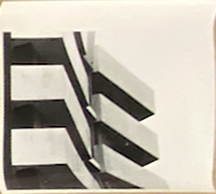
De El aspecto exterior, primera parte [From: The exterior aspect, part one]
Manuel Álvarez Bravo, Mexico City, 1971 Silver/gelatine

Trapo blanco a [White cloth a]
Manuel Álvarez Bravo, Coyoacán, Mexico City, 1972 Silver/gelatine

Trampo blanco b [White cloth b]
Manuel Álvarez Bravo, Coyoacán, Mexico City, 1972 Silver/gelatine

Trapo blanco c [White cloth c]
Manuel Álvarez Bravo, Coyoacán, Mexico City, 1972 Silver/gelatine
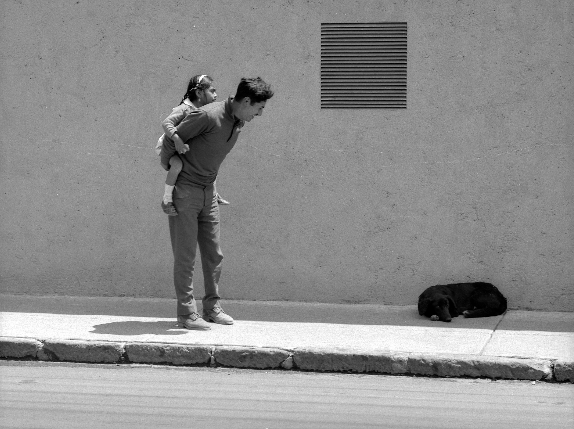
El perro negro I [The black dog I]
Manuel Álvarez Bravo, Coyoacán, Mexico City, 1972 Silver/gelatine
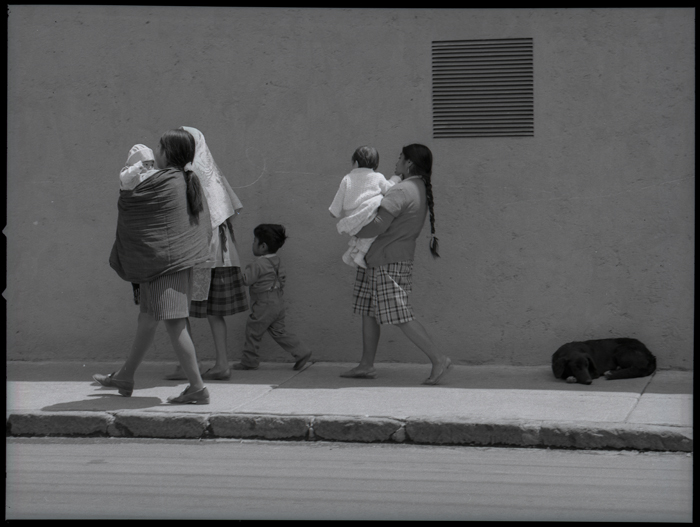
El perro negro II [The black dog II]
Manuel Álvarez Bravo, Coyoacán, Mexico City, 1972 Silver/gelatine

El perro negro III [The black dog III]
Manuel Álvarez Bravo, Coyoacán, Mexico City, 1972 Silver/gelatine
“Second Light. Manuel Álvarez Bravo | Manolo Márquez.” February–September 2024
Talking about photography today has not changed much, despite the impressive advances digital technology has achieved. What has changed is the process of producing images. What we celebrate here is the coming together of two great poles of Mexican photography. Photography is a craft that involves using an analog camera during romantic wanderings through the streets, then entering the darkroom to print the ghosts encountered along the way. I insist on the analog camera because the analog process separates photography as an idea from photography as an object—an object prone to absorbing animality: hairs, scratches, dust. If we are lucky, we can witness its degradation and appreciate the beauty of the passage of time, that imperfect universe, the dust of this planet.
At the beginning of the 2000s, Manolo and I were students of visual arts at the Universidad Veracruzana. I remember that we were already beginning to engage in aesthetic debates about photography, as Manolo was studying photography and I, although enrolled in graphic arts, took photography courses throughout all five years of my degree. A point of convergence between us was our questioning of photographic possibilities that went beyond a documentary use of the medium. I also recall that even then Manolo’s research was closer to physics than to the conventional portraiture practiced by some of our contemporaries. It was a time when one was supposedly taught to break with tradition, when the contemporary began to function as a receptacle for ill-fated productions that vanished over time because they lacked deep roots. We believed in that idea of contemporaneity, but we never lost our connection to tradition and craft, and that is why we are here, twenty years later, navigating against the tide of trends. We have now found new friends with whom we share convergent viewpoints, forging alliances across space and time.
One afternoon, beneath Daniel Lezama’s painting from the Pulquería at los Insurgentes avenue, Claudia Perulles proposed that I review the color archive of master photographer Manuel Álvarez Bravo. The idea surprised me, as I felt quite distant from the master’s work, but I found the exercise compelling—breaking through those gaps and venturing into something new, seeing how the traditional becomes contemporary, and how the timeless rises above any label. The task entrusted by Perulles was to review Álvarez Bravo’s color archive, in which I discovered an Álvarez Bravo remarkably close to Manolo’s line of inquiry, despite the decades separating their respective practices. Washed-out colors, found objects, object-based performances, empty sites, ghosts leaving their traces. This exercise of revisiting master Álvarez Bravo led me to reflect that it is never too late to begin a new path with new friendships, where work itself is the most valued thing. Gilles Deleuze says something beautiful: for an idea to be new, the trick is to bring together two things that have never been together before, I believe this is such a case. Through color photography, we bring together these two great wanderers, these ghosts who show us a desolate world sustained by the beauty of color.
Nicolás Guzmán
Mexico City, february 2024

Gallery view of the exhibition “Second Light. Manuel Álvarez Bravo | Manolo Márquez”

Gallery view of the exhibition “Second Light. Manuel Álvarez Bravo | Manolo Márquez”

Gallery view of the exhibition “Second Light. Manuel Álvarez Bravo | Manolo Márquez”
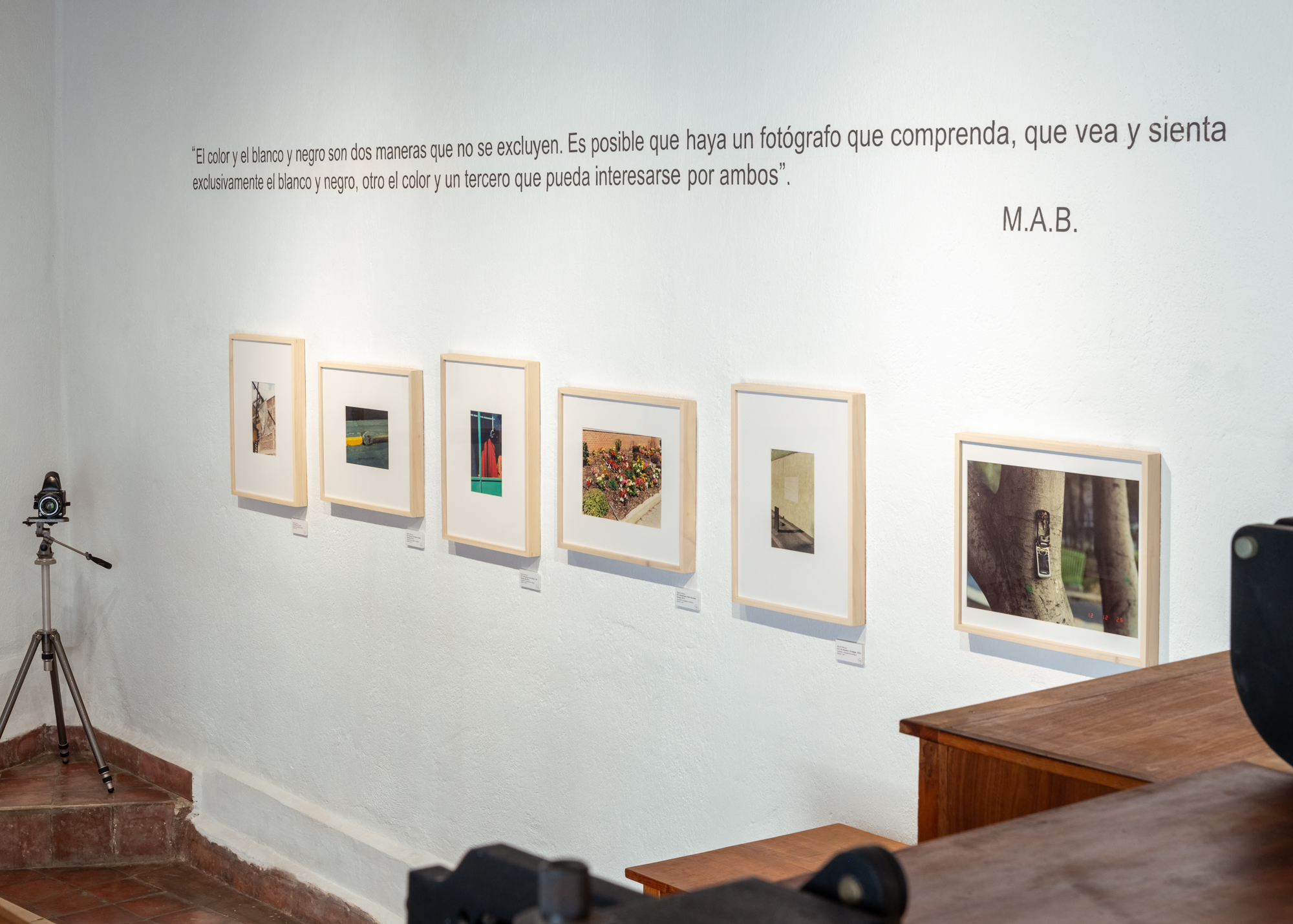
Gallery view of the exhibition “Second Light. Manuel Álvarez Bravo | Manolo Márquez”
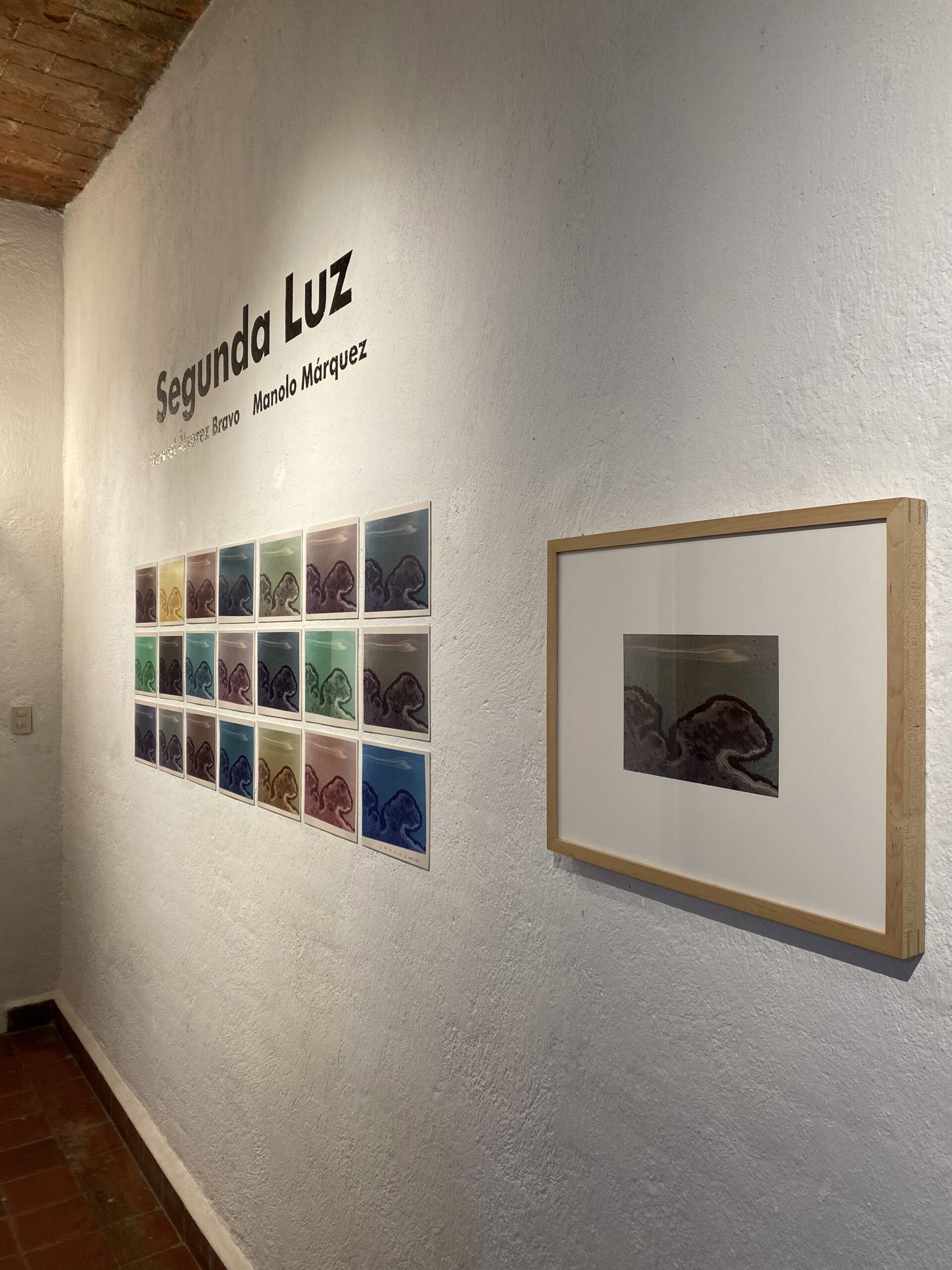
Texcoco [printing tests]
Manuel Álvarez Bravo Mexico, 1964. Analog chromogenic printing tests by Manolo Márquez, 2023.

Texcoco
Manuel Álvarez Bravo Mexico, 1964 Chromogenic print by Manolo Márquez, 2023

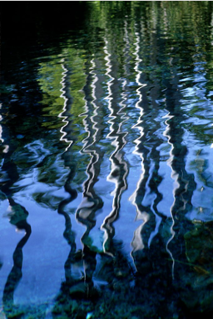
Homenaje a Monet [Tribute to Monet]
Manuel Álvarez Bravo Harlem, Netherlands, 1960 Chromogenic print by Manolo Márquez, 2024

Rocas y agua [Rocks and water]
Manuel Álvarez Bravo Mexico City, 1964 Chromogenic print by Manolo Márquez, 2024

Cañas con las que arman redes para atrapar mosquitos del lago que comen los tzentzontles [Reeds used to make nets to catch mosquitoes from the lake that the mockingbirds eat]
Manuel Álvarez Bravo Texcoco, Edo. de Mexico, 1963 Chromogenic print by Manolo Márquez, 2024

Banca y hojarasca [Bench and leaf litter]
Manuel Álvarez Bravo Pariis, 1989 Chromogenic print by Manolo Márquez, 2024

Redes y muro [Nets and wall]
Manuel Álvarez Bravo Haarlem, Netherlands, 1960 Chromogenic print by Manolo Márquez, 2024

Óxido en el casco de un barco [Rust on the hull of a ship]
Manuel Álvarez Bravo IJmuiden, Netherlands, 1960 Chromogenic print by Manolo Márquez, 2024

S/T
Manolo Márquez, Article 123, 2015 Analog chromogenic print Issue 1of 7

S/T
Manolo Márquez, Article 123 in fornt of the hotel Fleming, 2018 Analog chromogenic print Issue 1 of 7

S/T
Manolo Márquez, Drycleanear in Luis Moya, February 3th, 2016 Analog chromogenic print Issue 1 of 7

S/T
Manolo Márquez, (Tribute to Felix González Torres), 2012 Analog chromogenic print Issue 1 of 7

S/T
Manolo Márquez, Morelos I via, Ecatepec, 2024. Analog chromogenic print Issue 1 of 7
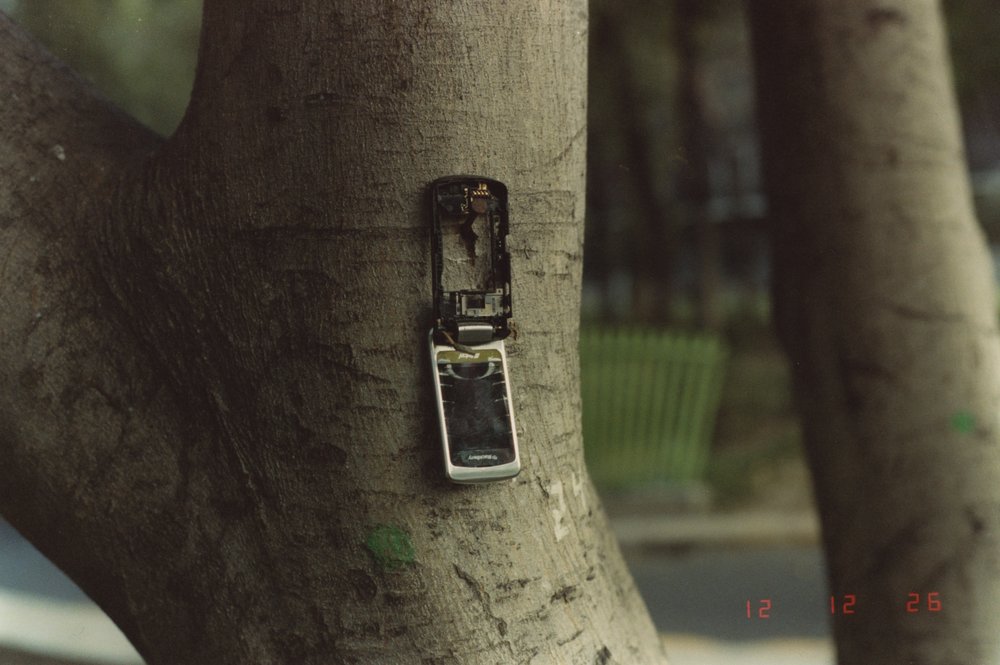
S/T
Manolo Márquez, Diagonal november 20th, december 26th, 2012. Analog chromogenic print Issue 1 of 7